


For more than three decades, children born with one of the world's rarest and most complex medical conditions have travelled to Riyadh for a chance at independent lives. At the centre of their care is Dr. Abdullah bin Abdulaziz Al-Rabeeah, the Saudi pediatric surgeon who has led the Kingdom's Conjoined Twins Programme since its establishment in 1990.
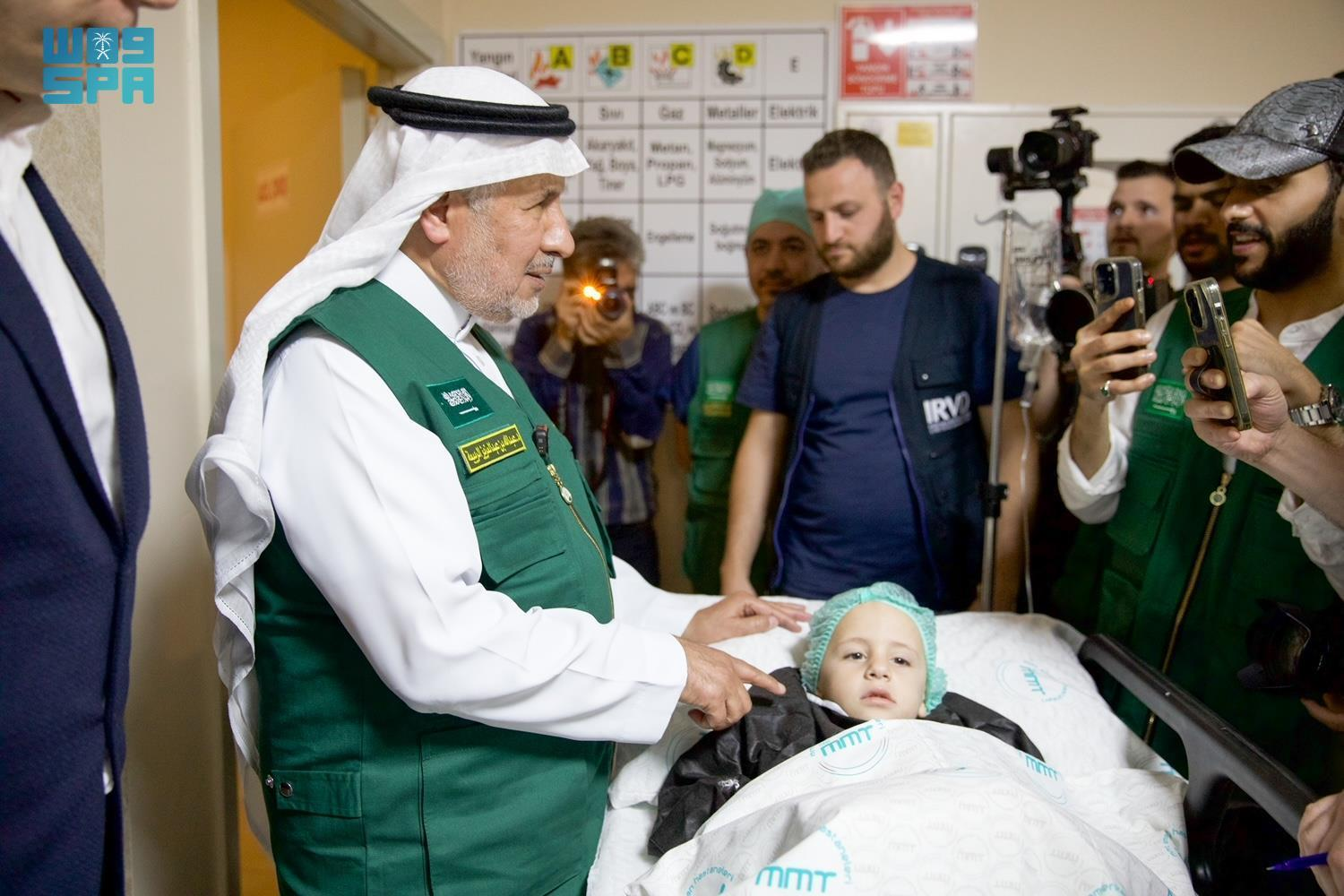
Today, his influence extends beyond surgery. As Supervisor General of the King Salman Humanitarian Aid and Relief Centre (KSrelief), he oversees humanitarian initiatives reaching vulnerable communities around the world. His career brings together surgical expertise, healthcare leadership, and a lifelong commitment to service.
Rooted in Knowledge, Sharpened by Experience
Born in Makkah in 1955, Dr. Al-Rabeeah pursued medicine with an early interest in improving the lives of others. He graduated from King Saud University in Riyadh in 1979 with a Bachelor of Medicine and Bachelor of Surgery.
His training continued in Canada, where he completed a General Surgery Fellowship at the University of Alberta Hospital in Edmonton in 1986. The following year, he completed a Pediatric Surgery Fellowship at IWK Hospital for Children, affiliated with Dalhousie University in Halifax, Nova Scotia.
Returning to Saudi Arabia, he began contributing to the development of specialized pediatric surgical services. From 1988 to 1991, he served as an Assistant Professor at King Saud University and a Pediatric Surgery Consultant at King Khalid University Hospital in Riyadh.
During these early years, he combined clinical practice with medical education, helping train young surgeons and strengthen the country's specialist healthcare capabilities. His experience would soon place him at the forefront of a particularly demanding surgical field.
Clinical Expertise in Conjoined-Twins Separation
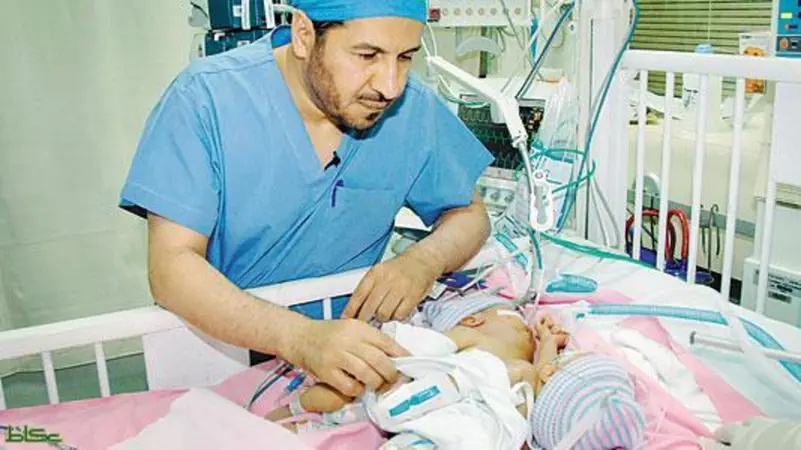
Conjoined twins are identical twins born physically connected, sometimes sharing organs, blood vessels, or important anatomical structures. Separating them can require months of planning, advanced medical imaging, and collaboration between several surgical specialties.
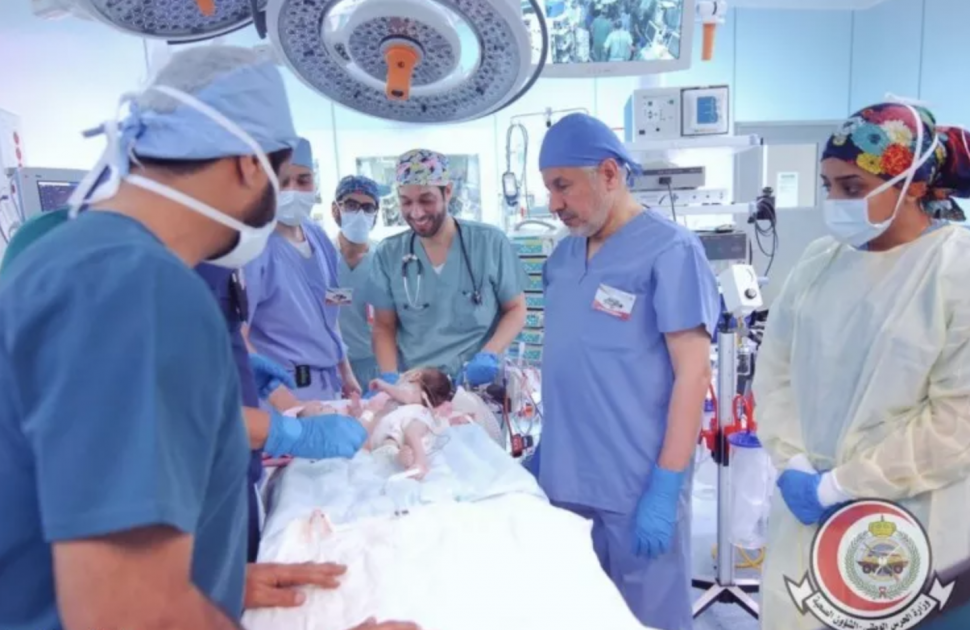
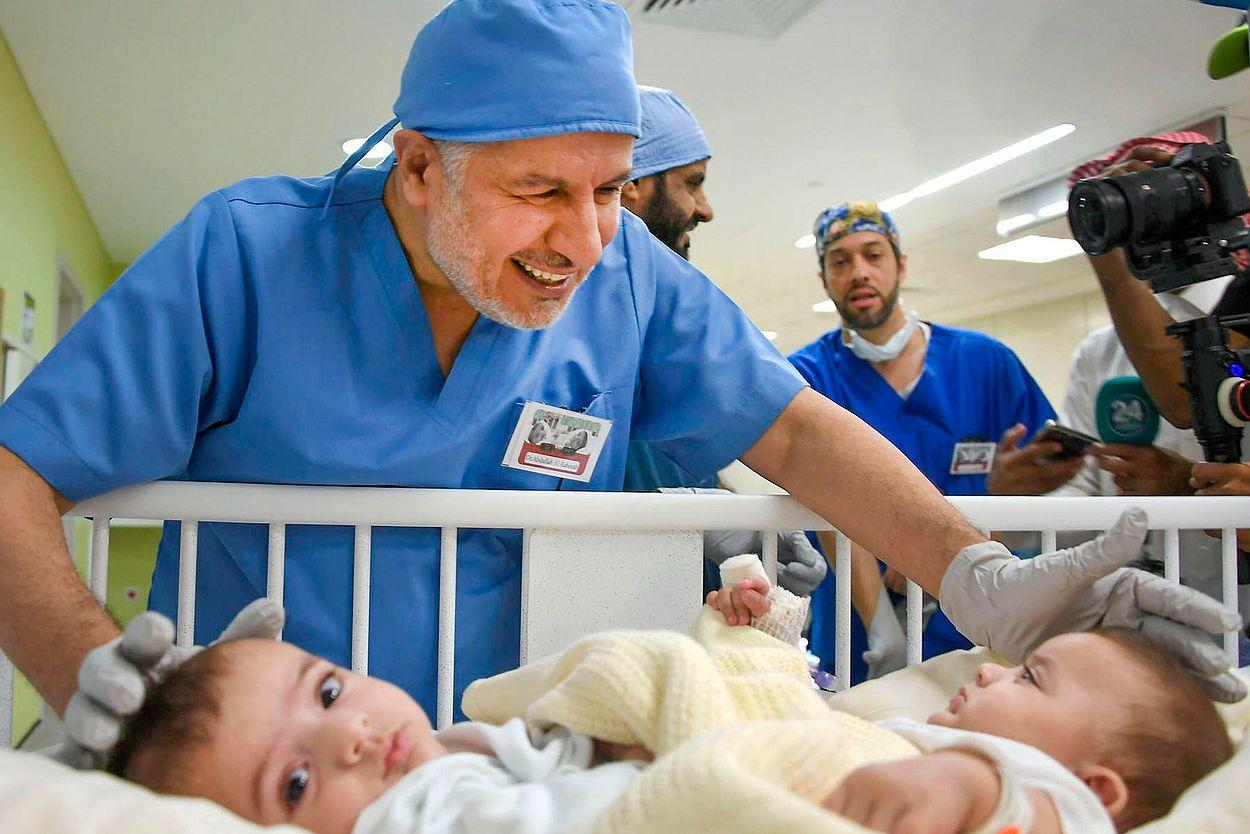
Since 1990, Dr. Abdullah bin Abdulaziz Al-Rabeeah has led the surgical and multidisciplinary team responsible for Saudi Arabia's Conjoined Twins Programme. The programme evaluates children from different countries and performs separation operations when medical assessments establish that surgery is appropriate.
The team's clinical work covers several critical areas:
- Medical assessment: Evaluating shared organs and anatomical structures.
- Surgical planning: Determining the safest possible separation strategy.
- Pediatric surgery: Performing complex operations involving young children.
- Multidisciplinary coordination: Integrating surgeons, anesthesiologists, and specialist teams.
- Postoperative care: Supporting recovery through intensive medical monitoring.
- Long-term rehabilitation: Helping children develop after surgical separation.
Every operation presents different challenges. Some twins share portions of the liver or digestive system, while others have connections involving the chest, pelvis, or major blood vessels. In certain cases, separation is not medically advisable. For Dr. Al-Rabeeah, the programme's significance extends beyond technical achievement. It gives families access to specialist care that might otherwise remain unavailable, supported by medical teams, hospitals, and the Saudi leadership.
“We pay for the travel and expenses. It has nothing to do with geography, religion or politics. It’s based on science and humanity,”
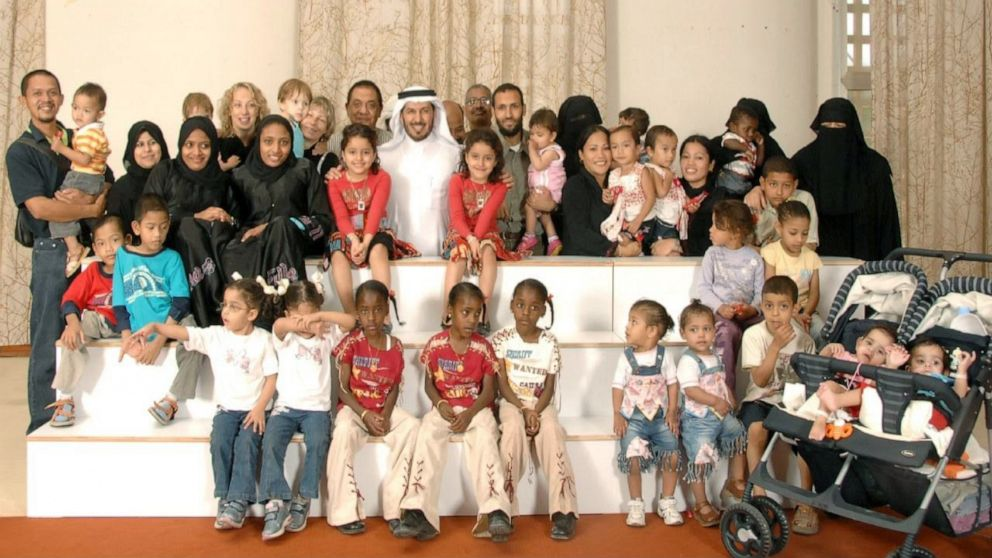
The programme has treated children from countries including Malaysia, Poland, Cameroon, and the Philippines, establishing Riyadh as an international destination for this highly specialized form of pediatric surgery.
A Notable Milestone: Giving Two Children Separate Futures
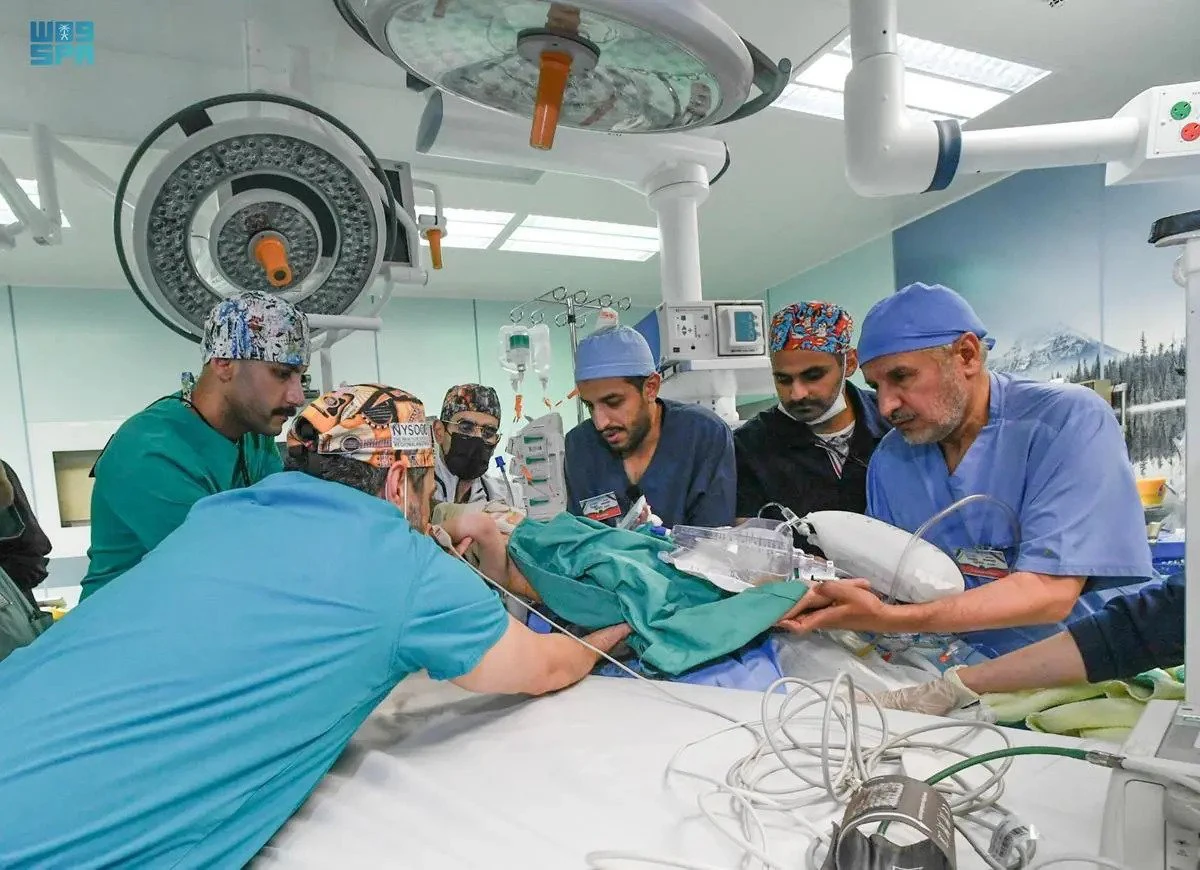
On October 8, 2026, Dr. Abdullah bin Abdulaziz Al-Rabeeah led the successful separation of Moroccan conjoined twins Saja and Duha, aged 13 months, at King Abdullah Specialist Children's Hospital in King Abdulaziz Medical City, Riyadh. The twins were joined at the lower chest and abdomen, sharing the membrane surrounding the heart, the liver, and portions of the intestines.
The operation lasted six hours and involved 23 medical professionals, including consultants, surgeons, nurses, and technicians. Their preparation required detailed examinations and repeated discussions to establish an appropriate surgical approach. According to the surgical team's announcement, it marked the programme's 73rd operation. By then, the programme had evaluated 159 cases from 28 countries since its establishment.
For the twins' family, the successful separation represented an opportunity for their daughters to grow and develop independently. For the medical team, it marked another achievement built on decades of surgical experience and coordinated care. The case also demonstrated Dr. Al-Rabeeah's continued involvement in clinical leadership, despite his extensive national and international responsibilities.
A Career Built on Growth and Academic Leadership
Beyond the operating room, Dr. Abdullah bin Abdulaziz Al-Rabeeah has contributed to the development of Saudi Arabia's healthcare institutions. In 2003, he became Chief Executive Officer of National Guard Health Affairs, overseeing a major healthcare system serving patients across the Kingdom. In 2005, he became the founding President of King Saud bin Abdulaziz University for Health Sciences, supporting the integration of healthcare education, research, and clinical practice.
His responsibilities expanded further in February 2009 when he was appointed Minister of Health of Saudi Arabia, a position he held until April 2014. During his tenure, he oversaw health and scientific development projects across the country. He also served as Chairman of the Board of King Faisal Specialist Hospital and Research Centre from 2010 to 2016.
These responsibilities positioned him at the intersection of clinical medicine, healthcare administration, and national health policy. His academic contributions are equally significant. His official biography records 111 scientific and medical articles, 71 research abstracts, and five published books. He has also received more than 30 national and international scientific and humanitarian awards.
From Pediatric Surgeon to Humanitarian Leader
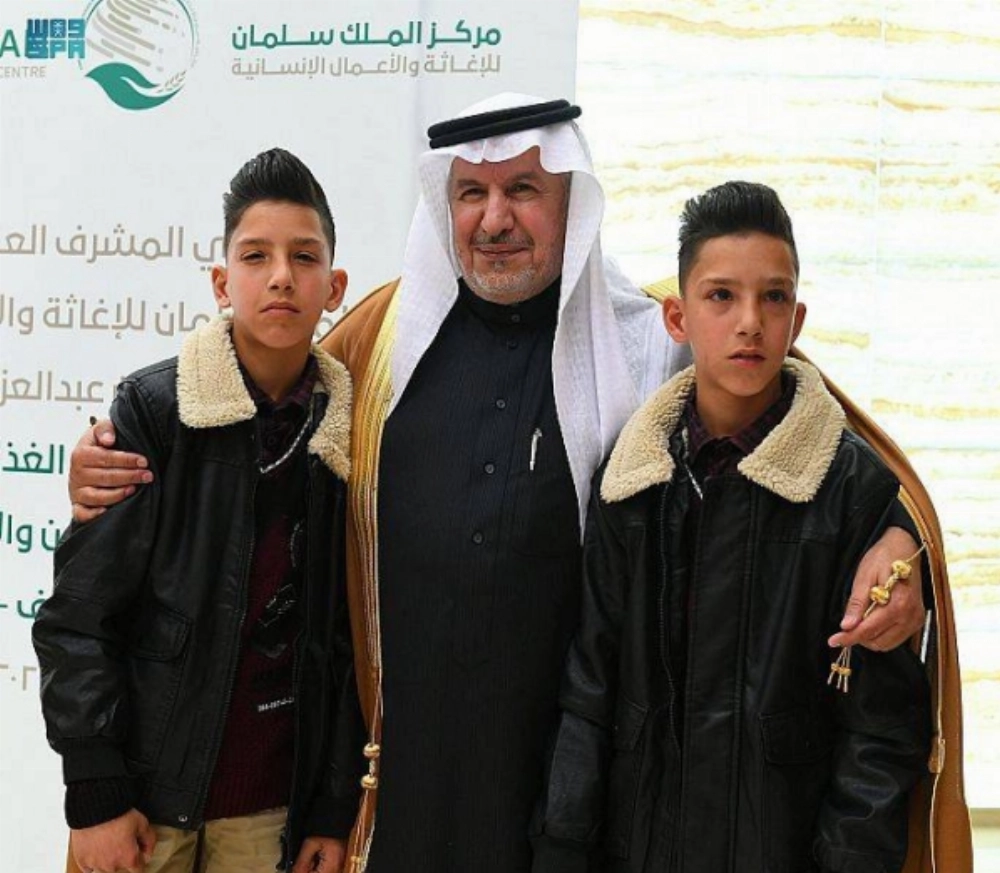
In 2015, Dr. Abdullah bin Abdulaziz Al-Rabeeah took on another major responsibility as Supervisor General of KSrelief, established to coordinate Saudi Arabia's international humanitarian assistance. His work expanded from caring for patients in hospitals to overseeing programmes supporting communities affected by conflict, displacement, poverty, and humanitarian emergencies.
Under his leadership, KSrelief has supported initiatives involving emergency healthcare, food security, maternal and child health, prosthetic limbs, medical volunteering, education, and assistance for refugees. The centre has implemented more than 3,400 projects across 107 countries, working with over 190 humanitarian partners, with expenditure approaching US$8 billion.
Particularly relevant to his medical background are the centre's specialist healthcare missions, which include cardiac surgery, eye care, cochlear implants, and rehabilitation services for vulnerable patients. This work reflects a broader application of the values associated with pediatric surgery: protecting lives, working across disciplines, and making specialized medical assistance accessible to people in need.
Media & Public Engagement
Dr. Al-Rabeeah's international contribution also includes advancing awareness of conjoined twins and the challenges their families experience. Following an initiative proposed by Saudi Arabia, the United Nations designated November 24 as World Conjoined Twins Day, beginning in 2024.
That same year, Riyadh hosted the first International Conference on Conjoined Twins, bringing together medical experts and humanitarian stakeholders to discuss surgical care, research, family support, and international cooperation.
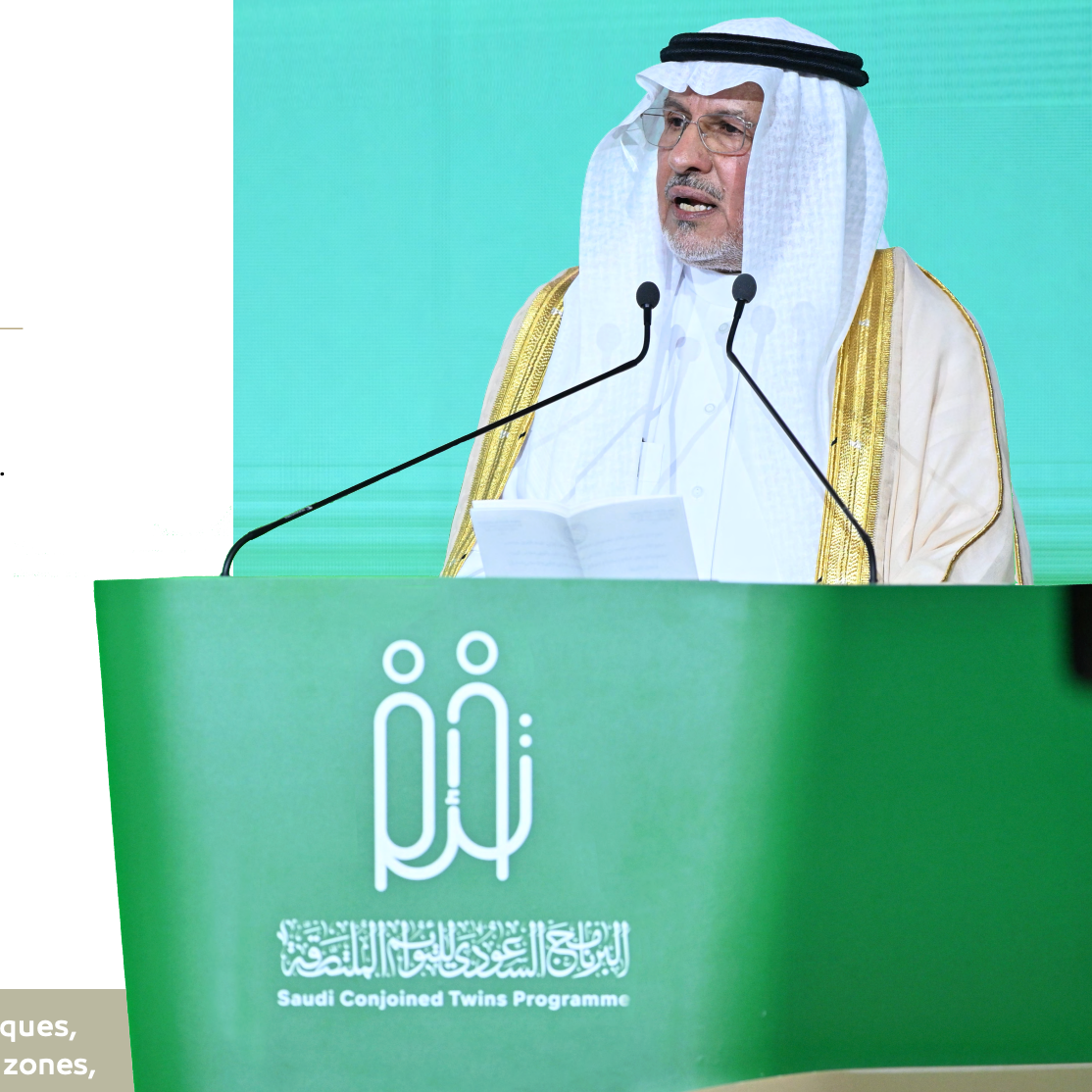
In November 2025, Dr. Abdullah bin Abdulaziz Al-Rabeeah participated in a New York event organized with UNICEF, highlighting the rights of conjoined twins and children with disabilities. He emphasized the importance of medical treatment alongside rehabilitation, education, and social inclusion. These initiatives helped bring international attention to a rare condition while encouraging greater cooperation between healthcare institutions.
Looking Ahead
Dr. Abdullah Al-Rabeeah's career demonstrates how clinical expertise can develop into wider institutional and humanitarian responsibility. The Saudi Conjoined Twins Programme continues to provide complex surgical care to children from different countries, while KSrelief extends medical and humanitarian assistance to vulnerable populations around the world.
Across these responsibilities, one principle remains central to his work: every child deserves access to care, dignity, and the opportunity for a healthier future. His legacy is visible in the children who have received treatment, the medical professionals who have worked alongside him, and the healthcare and humanitarian institutions he has helped strengthen.
To learn more about Dr. Al-Rabeeah's ongoing medical and humanitarian work, visit the official websites of the Saudi Conjoined Twins Programme and KSrelief.

