


Sleep is essential to health, yet for many years, sleep disorders received limited specialist attention in Saudi Arabia and the wider region. Professor Dr. Ahmed Salem BaHammam has dedicated much of his medical career to changing that, helping establish sleep medicine services, develop specialist training, and advance scientific research.
Today, he is a Professor of Pulmonary and Sleep Medicine at King Saud University (KSU) in Riyadh, Director of the University Sleep Disorders Center, and Executive Director of Academic Affairs at King Saud University Medical City. He also serves as President of the Asian Society of Sleep Medicine and Editor-in-Chief of the international journal Nature and Science of Sleep.
His career spans clinical care, education, research, and healthcare leadership. From developing one of the region's earliest academic sleep medicine centres to receiving the Arab Doctor of the Year award in 2025, his contributions have helped establish sleep medicine as an important medical specialty in Saudi Arabia and beyond.

Rooted in Knowledge, Sharpened by Experience
Dr. BaHammam's medical background combines internal medicine, pulmonary medicine, critical care, and sleep medicine. His specialist training took him to the University of Manitoba in Canada, where he studied respiratory and sleep medicine between 1994 and 1998. During this period, he trained under Dr. Meir Kryger, an internationally recognized sleep medicine physician and a leading contributor to Principles and Practice of Sleep Medicine, a major reference book in the field.
His training covered the diagnosis and management of breathing disorders, sleep-related conditions, and critical illnesses. This experience provided the foundation for his later work in establishing specialist sleep medicine services in Saudi Arabia. His clinical career also included work at King Faisal Specialist Hospital & Research Centre and leadership responsibilities at King Fahd Medical City, where he served as Chairman of the Department of Respiratory and Critical Care from September 2005 to September 2006. At King Saud University, he went on to develop a long-standing academic and clinical career, combining patient care with specialist education and scientific research.
Clinical Expertise in Pulmonary and Sleep Medicine
Dr. BaHammam's clinical and research expertise covers disorders that affect breathing, sleep quality, and daytime functioning. His work has contributed to understanding how these conditions influence patients' overall health and quality of life.
His main areas of expertise include:
- Diagnosis and treatment of obstructive sleep apnea.
- Management of obesity hypoventilation syndrome.
- Assessment of narcolepsy and excessive daytime sleepiness.
- Investigation of sleep and circadian rhythm disorders.
- Pulmonary and critical care medicine.
- Evaluation of sleep-related breathing and respiratory conditions.
Obstructive sleep apnea is a condition in which breathing repeatedly stops or becomes restricted during sleep. Obesity hypoventilation syndrome affects breathing in some people living with obesity and can lead to insufficient oxygen or elevated carbon dioxide levels. Dr. BaHammam has contributed research on both conditions, including their clinical characteristics, diagnosis, and treatment using positive airway pressure devices, which help patients breathe more effectively.
His research also covers central hypersomnolence disorders, including narcolepsy, in which patients experience excessive daytime sleepiness despite receiving adequate opportunities to sleep. Beyond these clinical conditions, he has investigated how fasting, meal timing, daily routines, and changes in sleeping schedules influence the body's internal biological clock, known as the circadian rhythm.
A Notable Milestone: Establishing Academic Sleep Medicine in Saudi Arabia
One of Dr. BaHammam's most important contributions is his role in establishing academic sleep medicine services in Saudi Arabia. In the late 1990s, when specialized sleep centres were still relatively uncommon in the region, he helped develop sleep medicine services at King Khalid University Hospital in Riyadh. According to King Saud University's historical account, sleep services began in 1998, while the academic sleep medicine centre was formally established in 2001. His earlier biography identifies 1999 as a founding milestone. The centre brought together clinical diagnosis, specialized sleep studies, medical research, and professional education.
This was an important step because diagnosing sleep disorders often requires dedicated facilities, trained technologists, and specialized medical knowledge. Polysomnography, for example, is an overnight sleep study that records breathing, oxygen levels, brain activity, heart rhythm, and body movements. By helping establish these services within a university hospital, Dr. BaHammam contributed to a system where patients could receive specialized assessment while medical professionals developed the knowledge required to diagnose and treat sleep disorders. In 2009, the centre received recognition as a research excellence centre, further strengthening its academic role.
Building the Region's First Structured Sleep Medicine Fellowship
Dr. BaHammam's contribution to medical education became especially significant in 2009, when he established a structured Sleep Medicine Fellowship Program at King Saud University. The programme has been described by the university as the first structured academic sleep medicine fellowship in the Arab region. Designed as a one-year programme, it prepares qualified physicians to become independent specialists in sleep medicine. Its training covers clinical practice, sleep laboratory procedures, research, and the management of sleep disorders centres.
Dr. BaHammam directed the fellowship for approximately 15 years, until January 2025. By December 2025, King Saud University reported that the programme had graduated 23 sleep medicine specialists working across 19 cities in Saudi Arabia and other countries. Earlier accounts had reported approximately 20 graduates, reflecting the programme's development over time.
His educational work extended beyond physicians. He also introduced specialized workshops on polysomnography technology and sleep-study scoring, helping technologists and healthcare professionals understand how to collect and interpret sleep data. His fellowship and workshop initiatives cross Riyadh, Dubai, and Amman helped develop a wider network of trained specialists, supporting access to sleep medicine expertise beyond a single academic institution.
Developing Sleep Medicine Standards Across Saudi Arabia and Asia
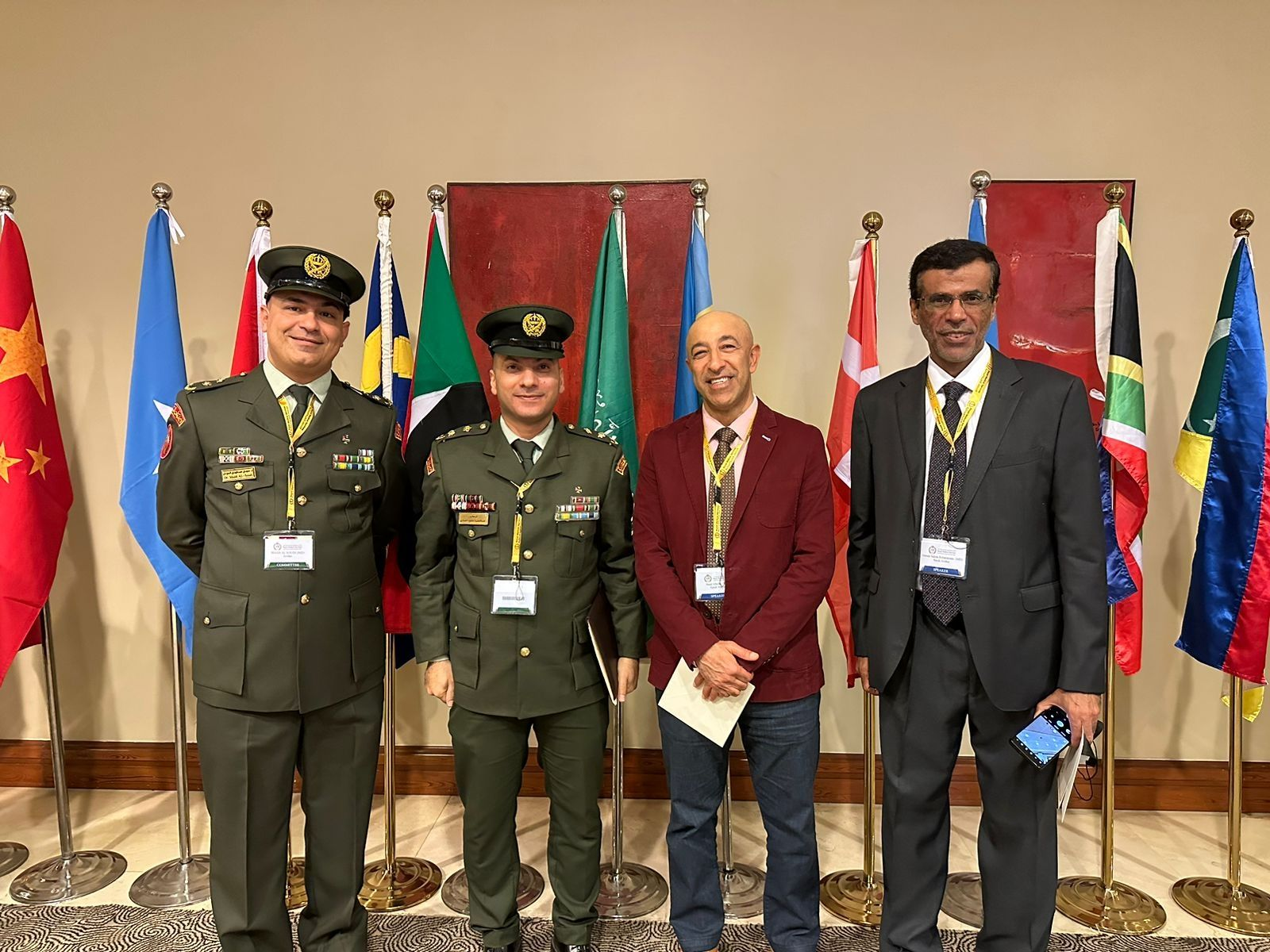
As sleep medicine services expanded, Dr. BaHammam became involved in establishing professional standards for physicians and sleep technologists. In 2011, he led the committee responsible for developing Saudi Arabia's national accreditation framework for sleep medicine professionals. The initiative addressed the qualifications, training, and professional competencies needed to support reliable clinical practice.
His work later extended across Asia. As part of the Asian Society of Sleep Medicine, he chaired the committee that developed regional accreditation guidelines for sleep medicine physicians and technologists. The resulting guidelines were published in the journal Sleep Medicine in 2021. They provided recommendations for professional qualifications and training across countries with different healthcare systems and levels of access to specialist education.
He also contributed to the development of an Asian sleep medicine fellowship curriculum published in 2025. The initiative aimed to help medical institutions establish structured training programmes while allowing them to adapt requirements to their local healthcare systems. These contributions reflected a continuing priority throughout his career: ensuring that the growth of sleep medicine was supported by qualified professionals, organized education, and consistent standards of care.
Understanding the Relationship Between Ramadan and Sleep
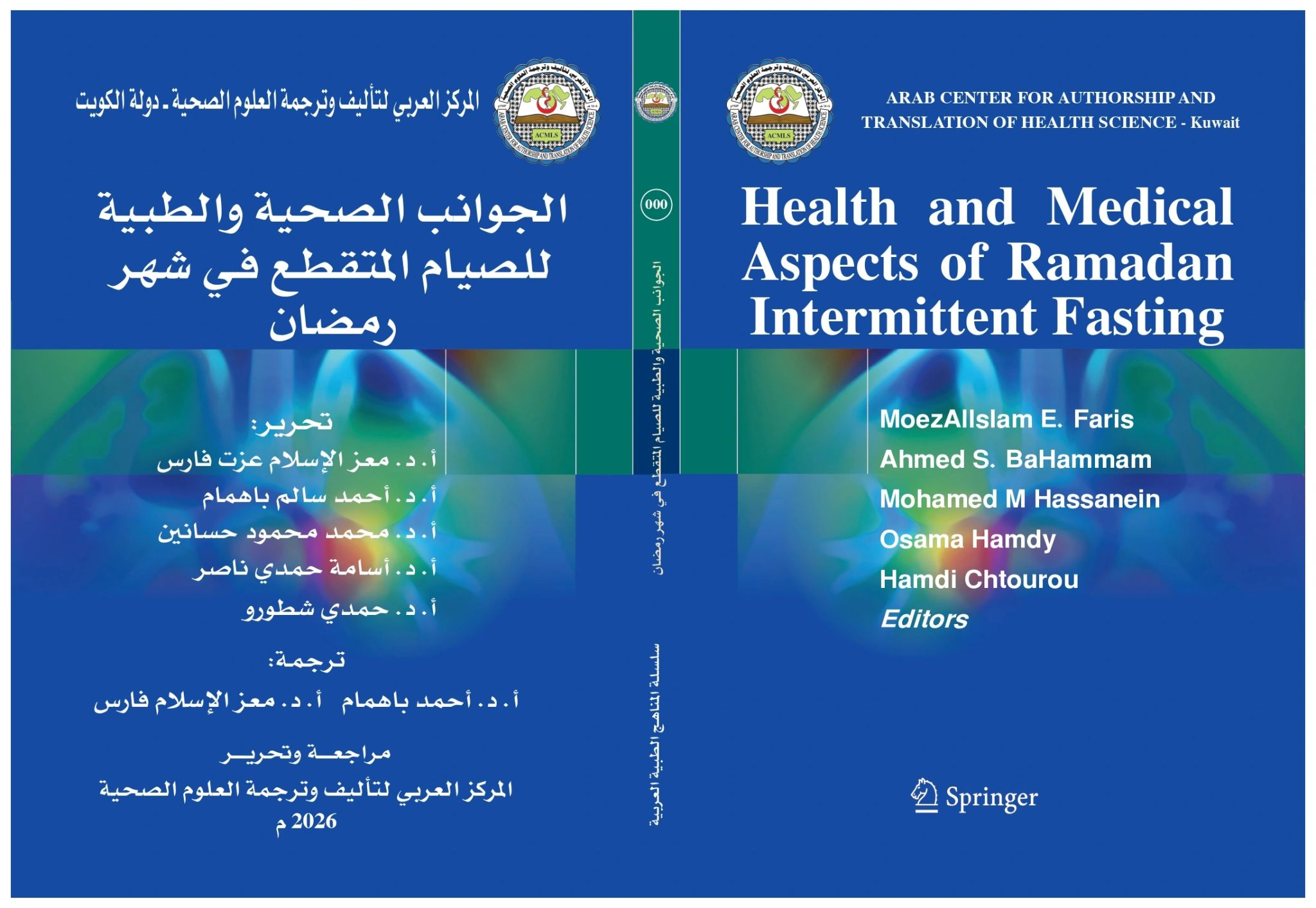
One of Dr. BaHammam's most distinctive research interests is the relationship between Ramadan fasting, sleep, and the body's internal biological clock. During Ramadan, changes in meal times, sleeping schedules, work routines, and social activities can influence when people fall asleep and how alert they feel during the day.
Dr. BaHammam has investigated whether these changes are caused by fasting itself or by the lifestyle adjustments that accompany the holy month. His research includes a 2004 study on the effects of Ramadan fasting on sleep architecture, daytime sleepiness, and sleep patterns. In 2005, he contributed further research examining sleep schedules and chronotypes, which describe a person's natural preference for sleeping and waking at particular times.
His subsequent publications continued to examine the relationship between intermittent fasting, body temperature, energy expenditure, and circadian rhythms. In 2014, he published a review addressing whether intermittent fasting during Ramadan affects sleep. The research highlighted the importance of distinguishing the effects of fasting from changes in bedtime, light exposure, and other daily habits.
This work is particularly relevant in Saudi Arabia and other Muslim-majority countries, where Ramadan forms an important part of everyday life. Rather than assuming that fasting necessarily disrupts sleep, his research has helped examine the different factors that influence sleep quality and daytime alertness. It also demonstrates how scientific investigation can address practical health questions within the cultural and religious context of patients' lives.
Advancing Medical Research and Scientific Publishing
Alongside his clinical and educational work, Dr. BaHammam has made significant contributions to scientific research. By December 2025, his published work included more than 400 peer-reviewed papers and approximately 10 specialized medical books, covering sleep apnea, narcolepsy, respiratory disorders, circadian rhythms, and metabolic health. He was ranked among the top 2% of researchers in respiratory medicine in the Stanford University–Elsevier database using data through 2020, and within the top 0.55% worldwide in respiratory insufficiency by Expertscape for 2011–2021. These recognitions reflect his research contributions during the periods assessed.
Dr. BaHammam has also contributed to medical publishing and editorial leadership. He co-founded the Saudi Thoracic Society in 2003 and helped establish Annals of Thoracic Medicine, where he serves as Associate Editor. Since 2021, he has been Editor-in-Chief of Nature and Science of Sleep, alongside editorial involvement with Frontiers in Neurology and Frontiers in Psychiatry. He previously served as founding Editor-in-Chief of the Journal of Nature and Science of Medicine (2018–2021). His recent work includes a 2024 editorial on artificial intelligence in sleep medicine and the 2025 publication of Narcolepsy, a specialist medical reference book he co-edited.
Strengthening Professional Societies and International Collaboration
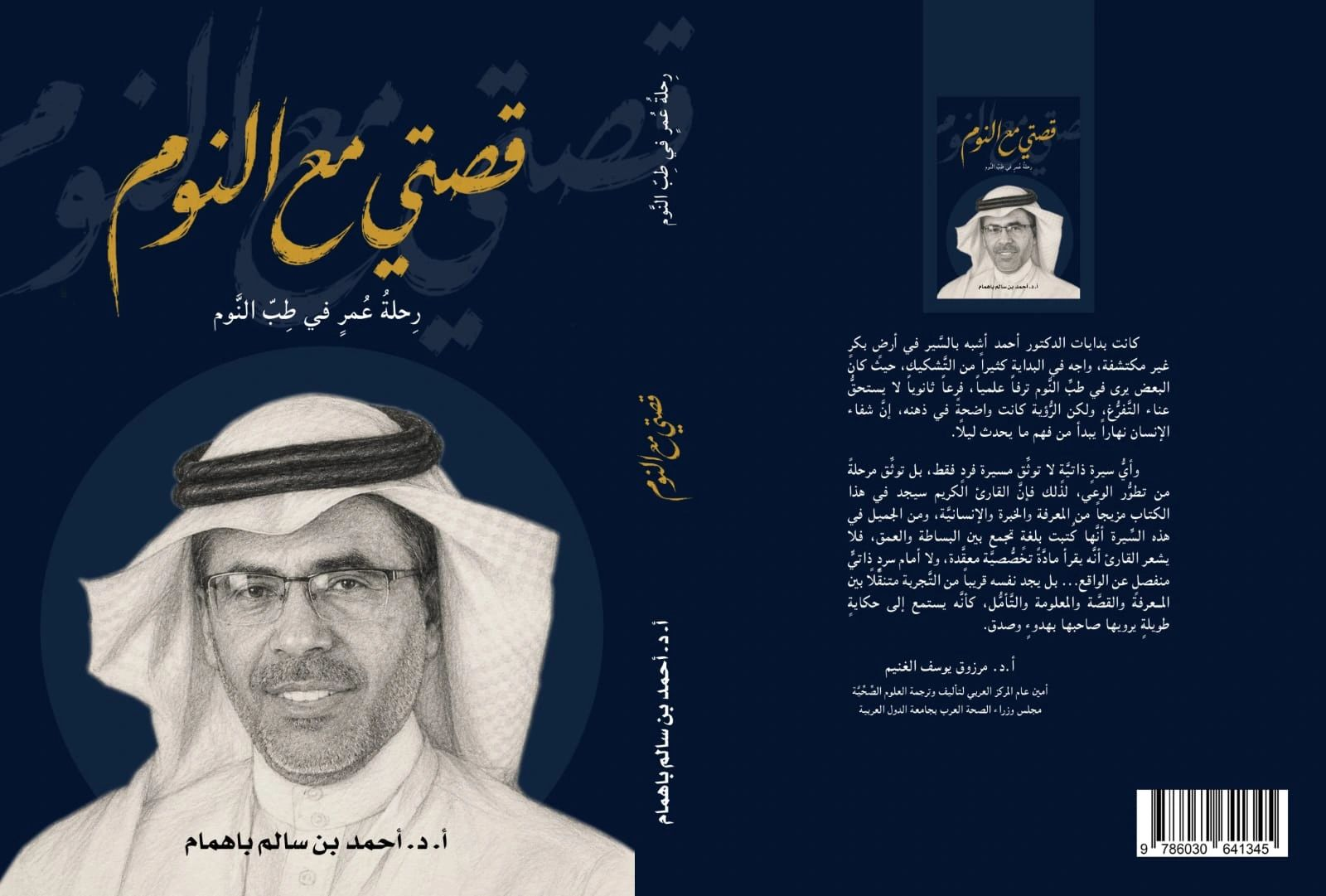
Dr. BaHammam has helped establish professional organizations that support sleep medicine across Saudi Arabia, the Gulf region, and Asia. He was a founding member of the Saudi Thoracic Society in 2003 and later chaired its Saudi Sleep Medicine Group from 2011 to 2014. In 2010, he established the Gulf Sleep Medicine Society, connecting specialists from six Gulf countries. He also co-founded the Asian Society of Sleep Medicine in 2014, serving as President-Elect from January 2024 before becoming President in October 2025.
His international leadership includes serving as Governor of the American College of Chest Physicians in Saudi Arabia from 2000 to 2006 and as Saudi Arabia's National Delegate to the European Respiratory Society until 2011. Since 2018, he has also participated in the American Thoracic Society's Sleep and Respiratory Neurobiology Assembly Planning Committee. Through these roles, he has supported international collaboration, medical education, and the development of professional standards in sleep medicine.
A Career Built on Academic and Healthcare Leadership
At King Saud University, Dr. BaHammam's responsibilities have extended beyond clinical sleep medicine and academic research. Since December 2018, he has served as Executive Director of Academic Affairs at King Saud University Medical City, supporting medical education and academic development within one of Saudi Arabia's major university healthcare institutions.
He also directs the University Sleep Disorders Center, where his work has combined patient care, research, and specialist education. His previous responsibilities include serving as Director of the Prince Naif Health Research Center until August 2024, as well as membership of the university's Scientific Council and International Consultant Council.
Between 2008 and 2013, he chaired the institutional research ethics committee at the College of Medicine, contributing to the oversight of research involving human participants. His leadership positions reflect a career that has developed across several connected areas: treating patients, preparing specialists, supporting scientific research, and strengthening academic healthcare institutions.
Recognition for a Lifetime of Contribution
Dr. BaHammam's contributions to medicine have received recognition in Saudi Arabia and internationally. In 2009, he received the Distinguished Researcher Award from the College of Medicine at King Saud University in recognition of his scientific contributions. In 2012, he was included among the pioneers and thought leaders in sleep medicine in the fifth edition of Principles and Practice of Sleep Medicine, a leading international reference in the field.
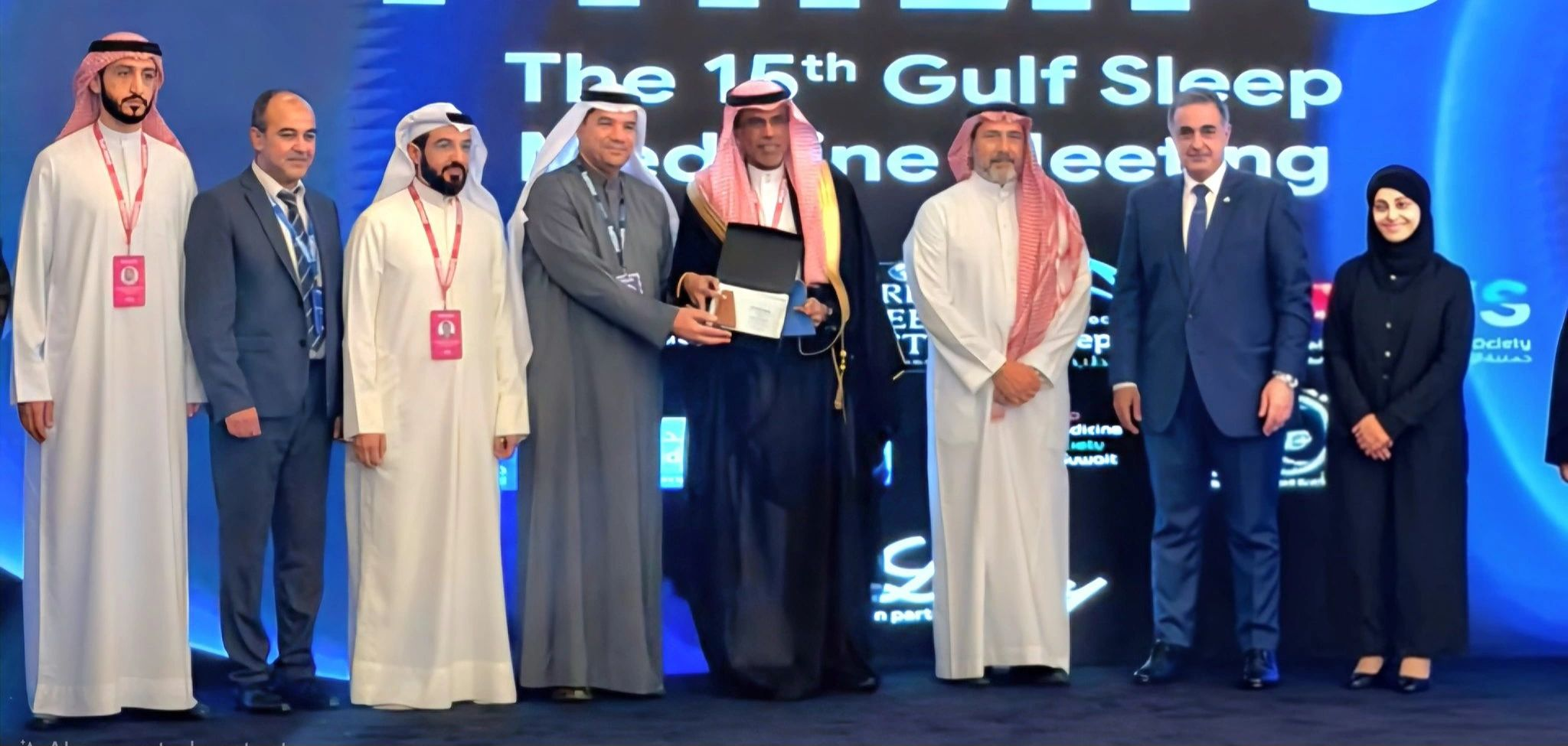
One of his most significant recognitions came in 2016, when King Saud University presented him with its Lifetime Achievement Award for his contributions to sleep medicine services, education, and research. His work received further regional recognition in December 2025, when he was named Arab Doctor of the Year in the Scientific Research and Innovation category by the Council of Arab Health Ministers.
The award recognized decades of medical research, academic contributions, and efforts to develop sleep medicine services and professional training. These honours reflect the different dimensions of his work, from advancing scientific knowledge to helping establish institutions that continue to support medical education and patient care.
Making Sleep Medicine Accessible to the Public
Beyond academic journals and specialist conferences, Dr. BaHammam has worked to improve public understanding of sleep health. He developed Sleep in Health and Disease, an Arabic-language online medical encyclopedia designed to make information about sleep disorders more accessible to patients and the wider community. The resource addressed an important need for reliable medical information in Arabic, particularly in a field where many scientific references were primarily available in English.
He has also participated in public discussions about insufficient sleep, sleep-related breathing disorders, and the effects of untreated sleep conditions on physical and mental health. His educational activities have reached professionals outside the sleep medicine fellowship programme. An earlier university account reported training for more than 281 physicians from different specialties and nationalities. By combining specialist education with public awareness, Dr. BaHammam has contributed to a better understanding of sleep as an essential part of health, rather than simply a daily routine.

Looking Ahead
Dr. Ahmed BaHammam's career reflects the development of sleep medicine in Saudi Arabia from an emerging clinical service into an established area of healthcare, scientific research, and specialist education. His contributions have helped create academic sleep centres, prepare qualified physicians and technologists, develop accreditation standards, and establish research collaborations across the Middle East and Asia.
His career demonstrates how the development of a medical specialty depends not only on scientific discoveries, but also on the people who establish the systems needed to bring that knowledge into everyday clinical practice.
To learn more about Dr. Ahmed BaHammam's research and academic contributions, visit his King Saud University faculty website.