


In September 2024, a surgical team in Riyadh achieved a medical milestone that attracted international attention. At King Faisal Specialist Hospital & Research Centre (KFSHRC), surgeons successfully performed the world's first fully robotic heart transplant, replacing the heart of a 16-year-old patient without the traditional opening of the breastbone.
Leading the operation was Professor Feras Khaliel, a cardiac surgeon whose career has focused on advanced heart surgery, transplantation, and minimally invasive techniques. The procedure took just two and a half hours, following weeks of preparation. It was a significant development in the use of robotic technology for complex heart operations, and an important achievement for specialist healthcare in Saudi Arabia.
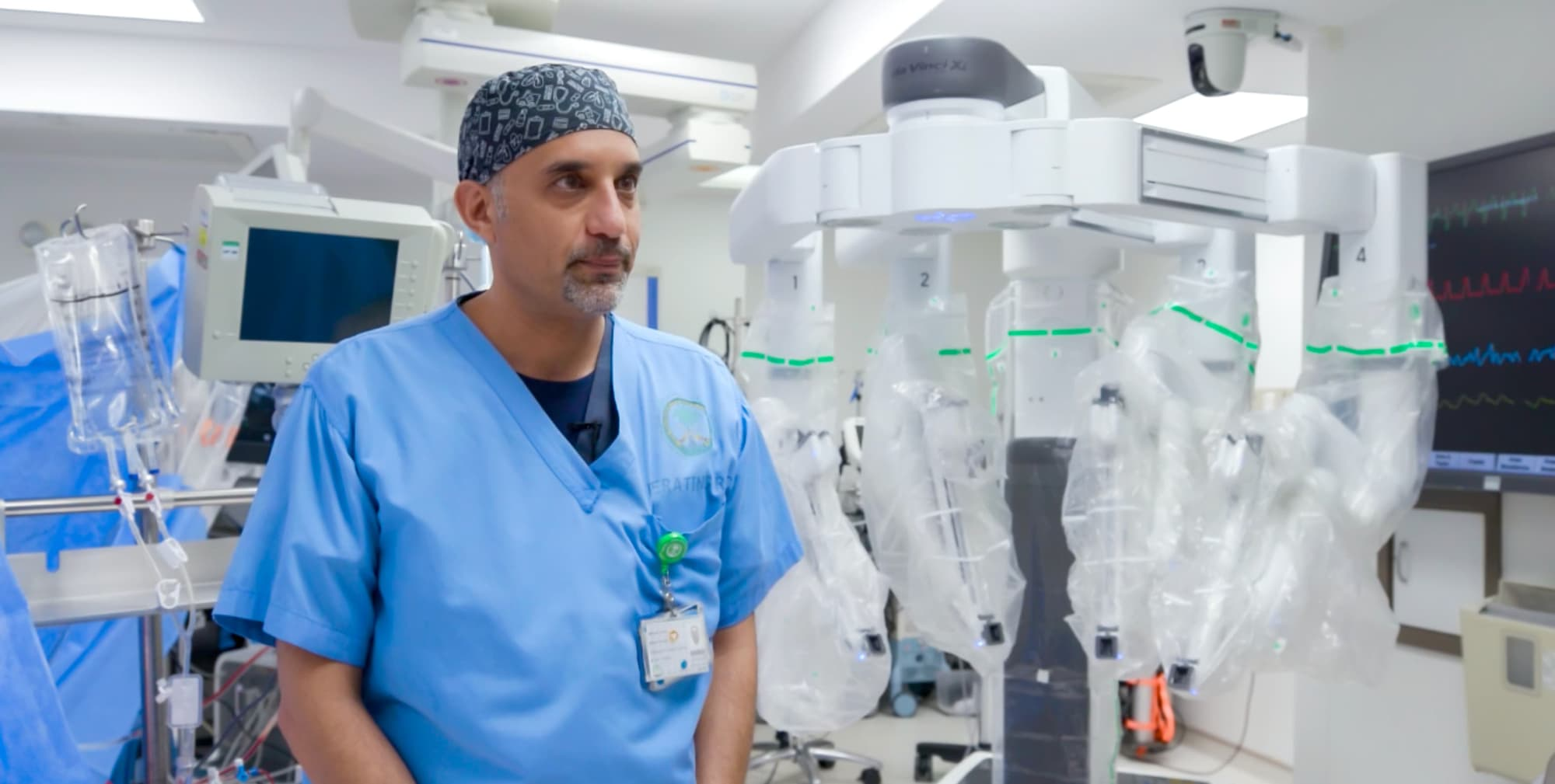
Rooted in Knowledge, Sharpened by Experience
Dr. Feras Khaliel's medical career began in Riyadh, where he graduated from King Saud University with a medical degree in 2002. He went on to complete general and cardiac surgical training at Prince Sultan Cardiac Center before pursuing specialist education abroad.
In France, he trained in cardiovascular and thoracic surgery at Pierre and Marie Curie University in Paris, completing his specialist qualification in 2009. His training included cardiac transplantation, artificial heart devices, coronary artery surgery, and heart valve procedures. He also completed advanced academic studies focused on aortic and valvular heart disease.
Between 2008 and 2009, he served as Chief Resident in Cardiac Surgery at Hôpital Bichat in Paris, gaining experience in mechanical circulatory support and extracorporeal membrane oxygenation (ECMO), a technology that temporarily supports heart and lung function in critically ill patients.
He subsequently moved to Canada, completing a cardiovascular surgery fellowship at the Montreal Heart Institute between 2009 and 2011. There, his training covered heart transplantation, ventricular assist devices, coronary surgery, and minimally invasive techniques. In 2011, Dr. Khaliel joined KFSHRC in Riyadh as a consultant cardiovascular surgeon. His interest in robotic surgery later took him back to Canada. Between 2015 and 2017, he completed a fellowship in robotic and minimally invasive cardiac surgery at Western University and London Health Sciences Centre in Ontario. This combination of traditional cardiac surgery, advanced heart failure treatment, and robotic training became central to his later work in Saudi Arabia.
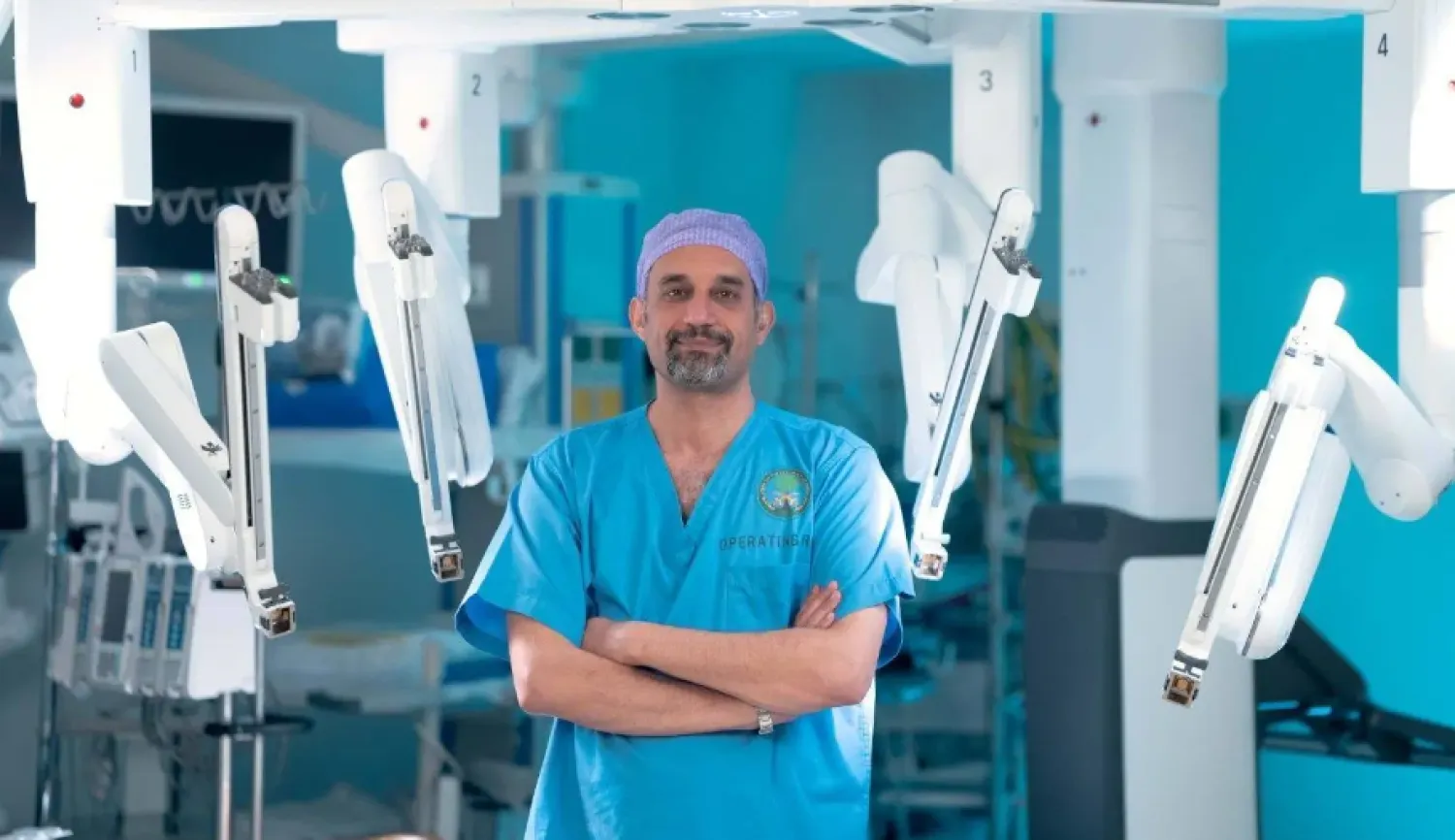
Clinical Expertise in Cardiac and Robotic Surgery
Dr. Feras Khaliel's clinical work covers advanced cardiac procedures, including heart transplantation and surgical treatment for patients with severe heart failure.
His main areas of expertise include:
- Robotic and minimally invasive heart surgery.
- Heart transplantation for patients with advanced heart failure.
- Coronary artery bypass surgery to restore blood flow.
- Heart valve repair and replacement.
- Mechanical circulatory support and artificial heart pumps.
- ECMO and surgical treatment of complex cardiac conditions.
Robotic cardiac surgery allows surgeons to control specialized instruments through small incisions, using highly detailed three-dimensional imaging. It can reduce the need for large surgical openings while maintaining the precision required for complex operations. Dr. Khaliel's experience in both conventional and robotic surgery has supported the development of specialized procedures at KFSHRC, particularly for patients who require advanced cardiac intervention.
A Notable Milestone: The World's First Fully Robotic Heart Transplant
On September 12, 2024, KFSHRC announced that a medical team led by Dr. Khaliel had successfully performed the world's first fully robotic heart transplant. The patient was a 16-year-old boy suffering from end-stage heart failure caused by dilated cardiomyopathy, a condition in which the heart becomes enlarged and struggles to pump blood effectively.
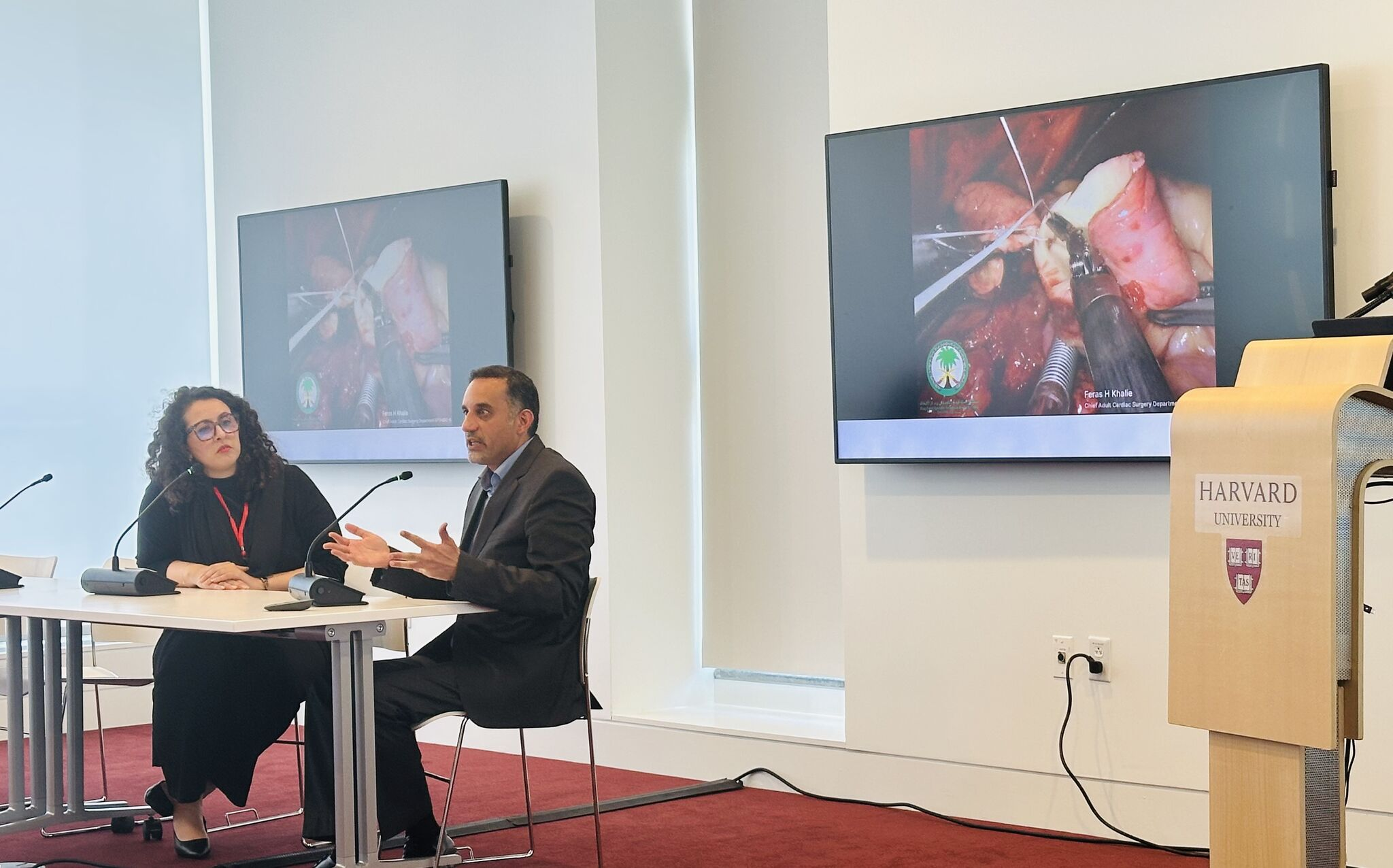
Traditional heart transplantation usually requires surgeons to divide the breastbone to access the heart. Dr. Khaliel's team developed a different approach, using robotic instruments to perform the transplant without a conventional full chest opening. The achievement followed weeks of detailed preparation. The team studied the procedure, developed a surgical plan, and practiced the operation virtually seven times over three days. The clinical team also rehearsed the approach using anatomical models and cadaveric training to manage technical challenges and reduce the time the donor heart would spend without a blood supply.
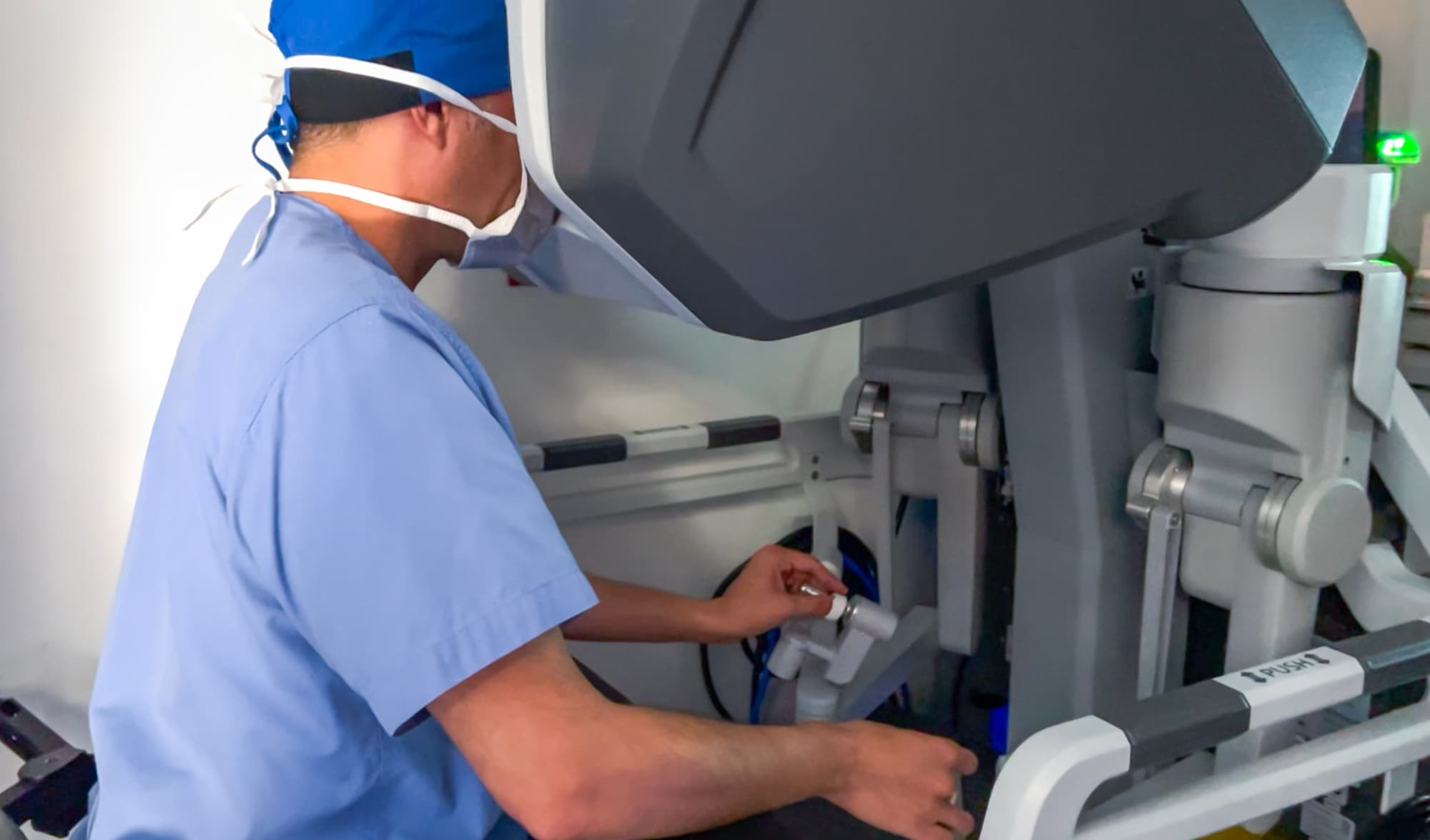
After obtaining approval from the hospital's medical committee and the patient's family, the surgical team carried out the operation in approximately two and a half hours. The case was subsequently documented in The Journal of Heart and Lung Transplantation in 2025, with Dr. Khaliel as the lead author. The published report described successful transplantation, mechanical ventilation lasting less than 24 hours, early mobilization, and reduced postoperative pain and hospital stay. For the patient, the procedure provided a new heart. For cardiac surgery, it demonstrated that a highly complex transplant could be completed using a fully robotic approach in a carefully selected clinical setting.
"The robot handled the most delicate aspects of the surgery, such as making precise incisions and performing the transplant itself. However, human intervention was still necessary for certain critical tasks. The surgical team was responsible for crucial aspects like positioning the patient and monitoring their overall condition. This was a collaborative effort where the technology and the team worked seamlessly together to ensure the best results."
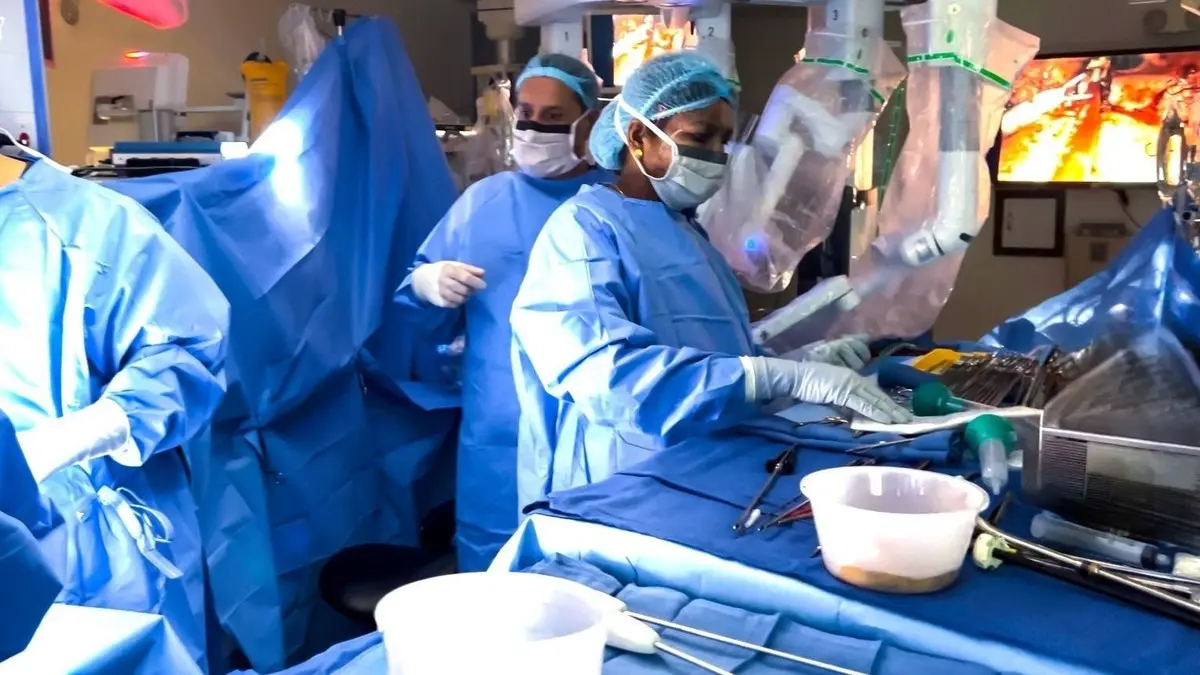
Developing Robotic Heart Surgery at KFSHRC
The 2024 transplant was made possible by years of development within KFSHRC's robotic cardiac surgery programme. The programme began in February 2019 and performed 105 robotic cardiac operations during its first year. By July 2024, the hospital reported completing 400 robotic cardiac procedures, with a reported 98% survival rate across that group of patients.
These operations included advanced valve procedures and other forms of minimally invasive cardiac surgery. KFSHRC also reported that its programme ranked among the world's leading centres for complex robotic multi-valve surgery. Dr. Khaliel's leadership in this programme helped establish the expertise and team coordination needed for increasingly complex procedures. The reported survival rate is an institutional programme result, rather than a personal surgical success rate for Dr. Khaliel. It also reflects the hospital's reported outcomes at that point in time, not a guarantee for future patients.
Expanding Robotic Surgery for Advanced Heart Failure
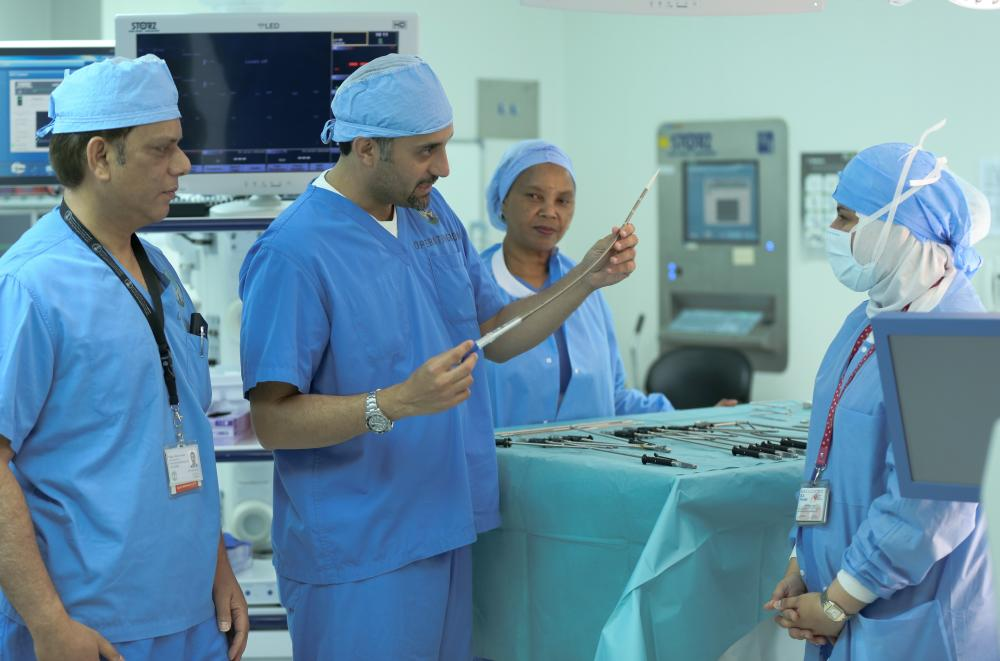
Dr. Feras Khaliel and his team continued to develop new robotic procedures after the 2024 transplant. In January 2025, KFSHRC announced the world's first robotic-assisted implantation of a HeartMate 3 artificial heart pump. The device is used to support blood circulation in patients whose hearts can no longer pump effectively. The patient was a 35-year-old man who had spent 120 days in hospital with advanced heart failure and complications affecting his kidneys and lungs.
Following the procedure, the patient spent four days in intensive care. According to KFSHRC, he experienced no bleeding or infections during or immediately after surgery, and his recovery was progressing towards discharge. In July 2025, the hospital announced another milestone: a robotic-assisted implantation of two durable artificial heart pumps to support both sides of the heart.
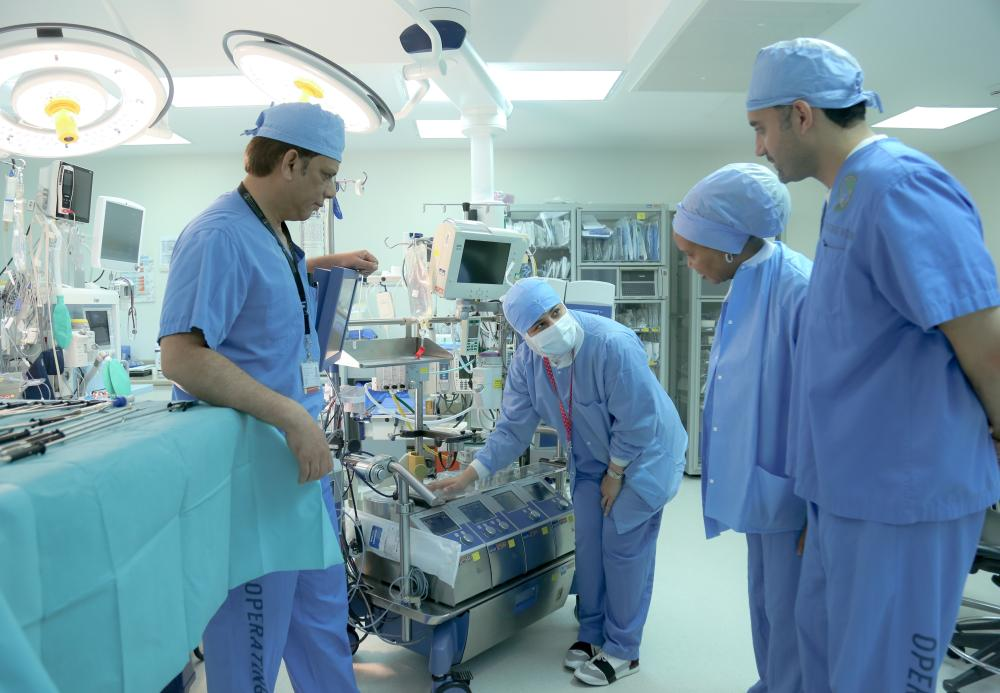
The operation involved a 61-year-old patient with severe heart failure and several additional medical conditions. Led by Dr. Khaliel, the surgical team performed the procedure through small incisions, using robotic instruments to avoid a full sternotomy. These developments demonstrated an expanding role for robotic techniques in treating advanced heart failure, including patients who require mechanical circulatory support rather than an immediate heart transplant.
A Career Built on Growth and Academic Leadership
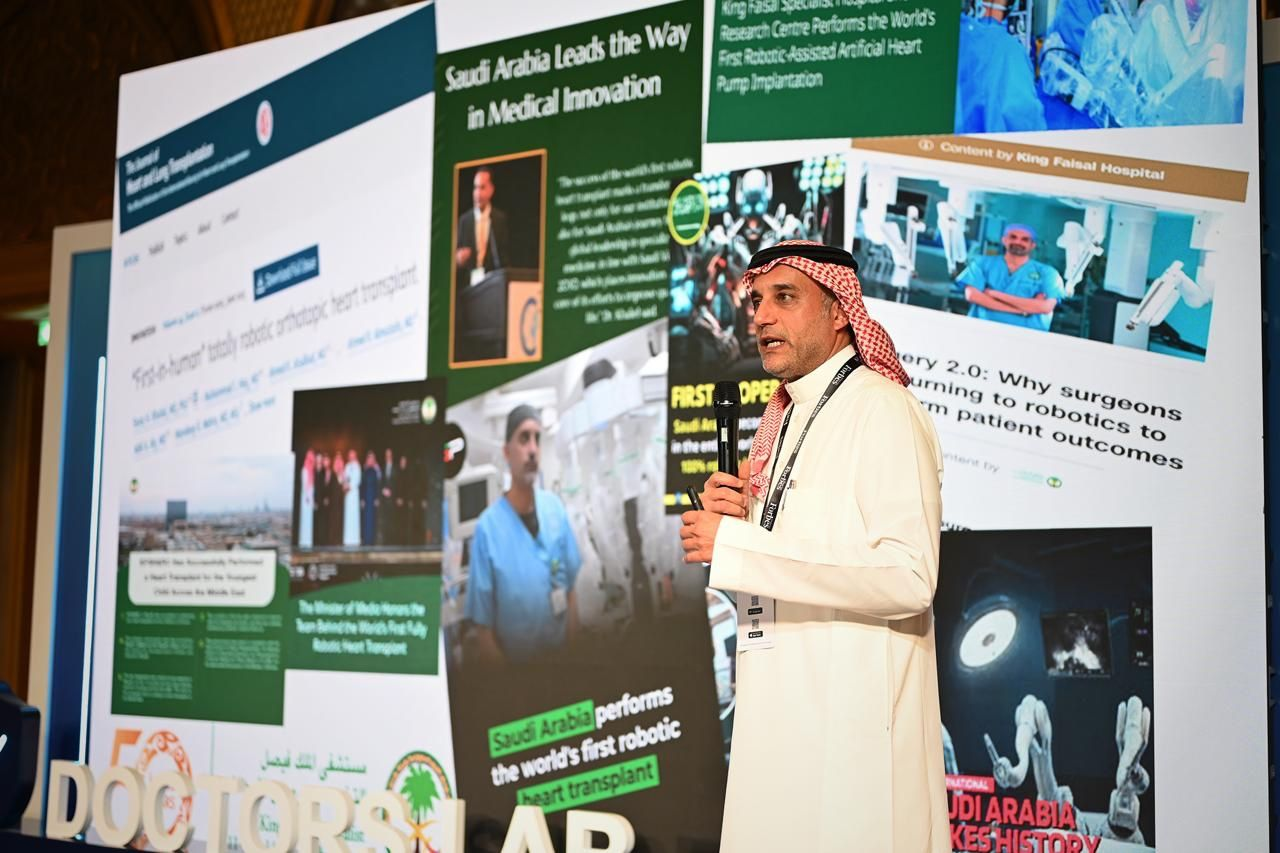
Alongside his surgical responsibilities, Dr. Khaliel has contributed to medical education, research, and professional organizations. In February 2025, he became Deputy Executive Director of the Heart Center of Excellence and Chairman of Cardiac Surgery at KFSHRC. He is also a Professor of Surgery at Alfaisal University in Riyadh, a position he has held since May 2024. His earlier academic responsibilities included work as an Associate Professor and participation in cardiovascular surgery residency education.
His professional activities extend to heart failure and transplantation organizations. He has served as Secretary General of the Saudi Heart Failure Society and held scientific committee responsibilities within the Saudi Heart Association. Internationally, he has participated in the work of the International Society for Heart and Lung Transplantation, including activities relating to mechanical circulatory support and professional guidelines. His academic and clinical roles connect surgical practice with the development of specialist knowledge, training, and research.
Recognition for Applied Innovation in Healthcare
In October 2024, Dr. Feras Khaliel received the Health Research Excellence: Applied Innovation Award from Saudi Arabia's Research, Development and Innovation Authority. The award was presented during the Global Health Exhibition in Riyadh and recognized his contributions to medical research, the development of surgical techniques, and the successful completion of the world's first fully robotic heart transplant.
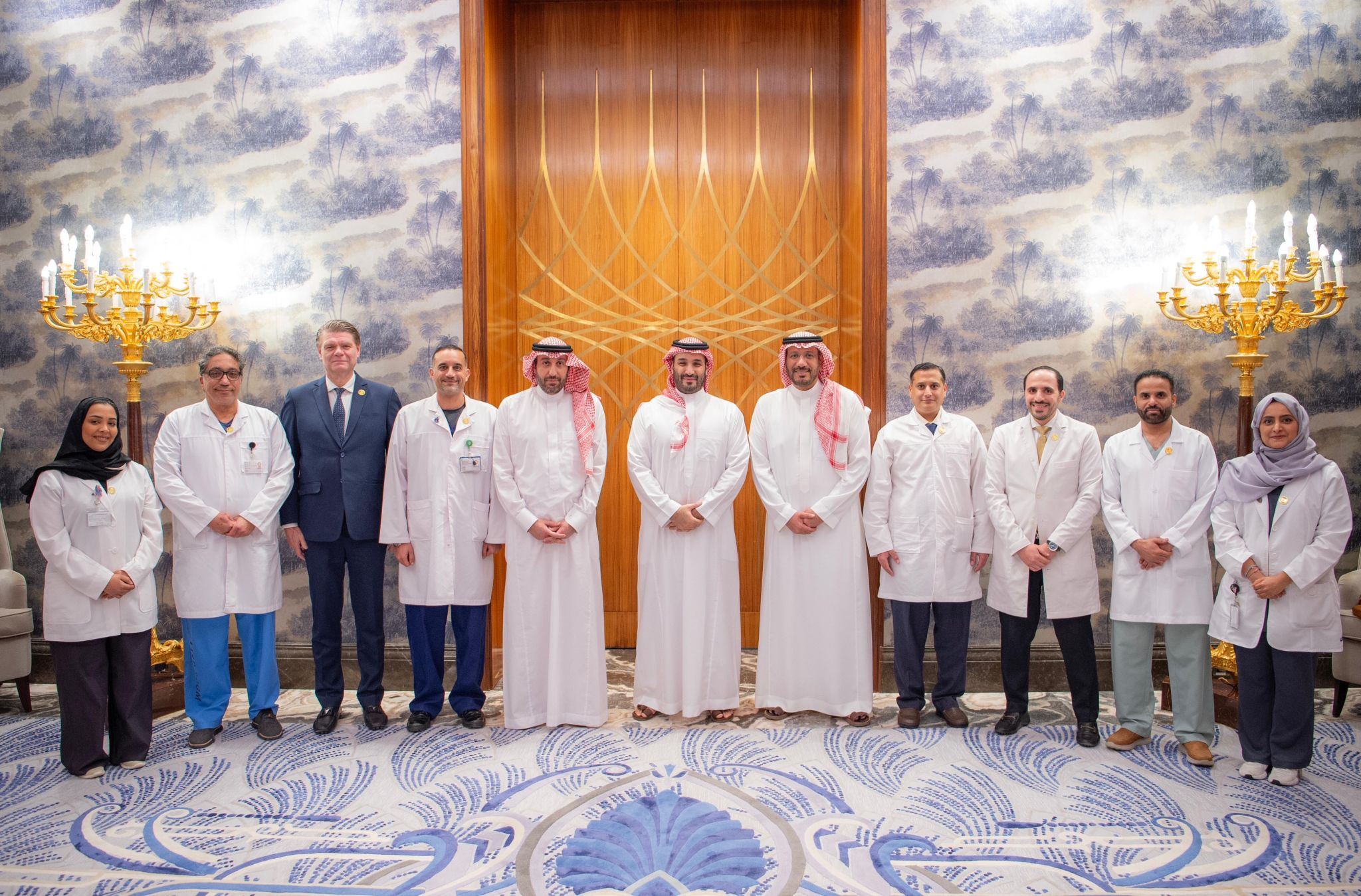
His achievement also received recognition at the national level. In November 2024, Crown Prince Mohammed bin Salman received the KFSHRC medical team responsible for the transplant and congratulated them on their accomplishment. In March 2025, Dr. Khaliel and the team were also recognized at the Media Excellence Award 2024 ceremony, honoring the wider attention their achievement had brought to Saudi Arabia's healthcare sector. These recognitions celebrated both an individual surgical leader and the multidisciplinary team whose preparation and expertise made the operation possible.
Research and International Contributions
Dr. Feras Khaliel's work in robotic surgery is also supported by published clinical research. In February 2025, his team's report on the first fully robotic heart transplant was published online in The Journal of Heart and Lung Transplantation. The article documented the surgical approach, preparation, and immediate clinical outcomes, creating a scientific record that other specialists could study.
In May 2025, Dr. Khaliel and colleagues published research in Annals of Cardiothoracic Surgery examining the development of robotic aortic valve replacement in the Middle East. The paper addressed how specialized teams can introduce robotic valve procedures and manage increasing surgical complexity.
His research continued into 2026, when he co-authored a report on robotic-assisted implantation of durable devices supporting both sides of the heart, published in The Journal of Heart and Lung Transplantation. These publications are important because the introduction of a new surgical technique requires more than a successful individual operation. Detailed reporting allows other clinicians to evaluate the approach, study its limitations, and understand the preparation required before attempting similar procedures.
Looking Ahead
Dr. Feras Khaliel's career reflects the growing role of advanced medical technology in Saudi Arabia's healthcare system. His work combines years of international surgical training with clinical practice, medical education, and the development of robotic cardiac procedures at KFSHRC. From conventional heart surgery and transplantation to robotic operations involving artificial heart pumps, his career has followed the evolution of increasingly specialized cardiac care.
The world's first fully robotic heart transplant remains his most widely recognized achievement. Yet its significance also lies in the years of preparation, surgical education, multidisciplinary collaboration, and programme development that preceded it. As robotic techniques continue to develop, further research will be needed to understand which patients benefit most and how these procedures compare with established surgical approaches over time.
Through his work as a surgeon, researcher, and academic leader, Dr. Khaliel continues to contribute to this field and to the development of advanced cardiac care in Saudi Arabia.
For more information about Dr. Feras Khaliel's work, visit King Faisal Specialist Hospital & Research Centre or his professional profile at CTSNet.


