


Dr. Hayat Sindi is a Saudi biotechnologist from Makkah whose work connects laboratory science with real-world healthcare needs. She focuses on diagnostic technologies that can work close to patients, even in remote or low-resource settings. Her career also centres on science education and innovation systems that help young researchers turn ideas into practical solutions.
As one of the first Saudi women to earn a PhD in biotechnology from the University of Cambridge, Dr. Sindi helped place Saudi scientific talent, especially Saudi women, into the global biotechnology conversation. Her work shows how research, entrepreneurship, and public service can move together to improve health access and scientific opportunity.

Rooted in Knowledge, Sharpened by Experience
Dr. Sindi grew up in Makkah in a family that valued education and curiosity. From a young age, she showed strong interest in science and the idea that knowledge could improve everyday life. This early curiosity later shaped a career that combines biotechnology research with public engagement and innovation leadership.
Her academic journey took her to the United Kingdom, where she pursued advanced studies in pharmacology and biotechnology. These experiences placed her within internationally recognised research environments and exposed her to interdisciplinary scientific collaboration.
Her academic training includes:
- BSc (Hons) in Pharmacology — King’s College London, United Kingdom
- PhD in Biotechnology — Newnham College, University of Cambridge, United Kingdom
At Cambridge, her research focused on analytical chemistry and biosensing technologies, tools designed to detect biological signals through measurable physical responses. Biosensors are widely used in modern diagnostics because they allow clinicians to identify disease markers quickly and accurately.
During these years, Dr. Sindi developed expertise in sensing technologies and analytical methods that later influenced her work in medical diagnostics. Her research contributed to sensor technologies designed to detect chemical or biological signals, laying the foundation for later innovations in point-of-care testing. Her time in international research settings also exposed her to collaborative science culture, where researchers from engineering, chemistry, and medicine work together to solve practical healthcare challenges.
Clinical Expertise in Biotechnology and Diagnostic Innovation
Dr. Sindi’s work does not take place in the clinic itself, but it is deeply connected to healthcare delivery. Her research focuses on point-of-care diagnostics: medical tests designed to be used near patients rather than only in large laboratory facilities. Point-of-care testing can shorten the time between diagnosis and treatment. In remote areas or low-resource environments, it may be the only practical way to detect disease early.
Her work in biotechnology focuses on two main areas:
Accessible diagnostic technology
- Designing portable diagnostic tools for remote environments
- Supporting paper-based diagnostic platforms
- Developing low-cost testing technologies for public health use
- Promoting rapid disease detection outside laboratory settings
Biosensor research and disease detection
- Research in magnetic acoustic resonance sensing technologies
- Sensor systems that detect biological signals in fluids
- Early-detection concepts for disease monitoring
- Analytical chemistry approaches to biosensing systems
One of the technologies associated with her early research is the Magnetic Acoustic Resonance Sensor (MARS). This sensing concept uses acoustic and magnetic principles to detect chemical or biological signals. Such sensors form part of a broader class of analytical technologies that can identify disease markers in biological samples. While many diagnostics today rely on large laboratory equipment, innovations like these help move testing closer to communities that may not have access to advanced facilities.
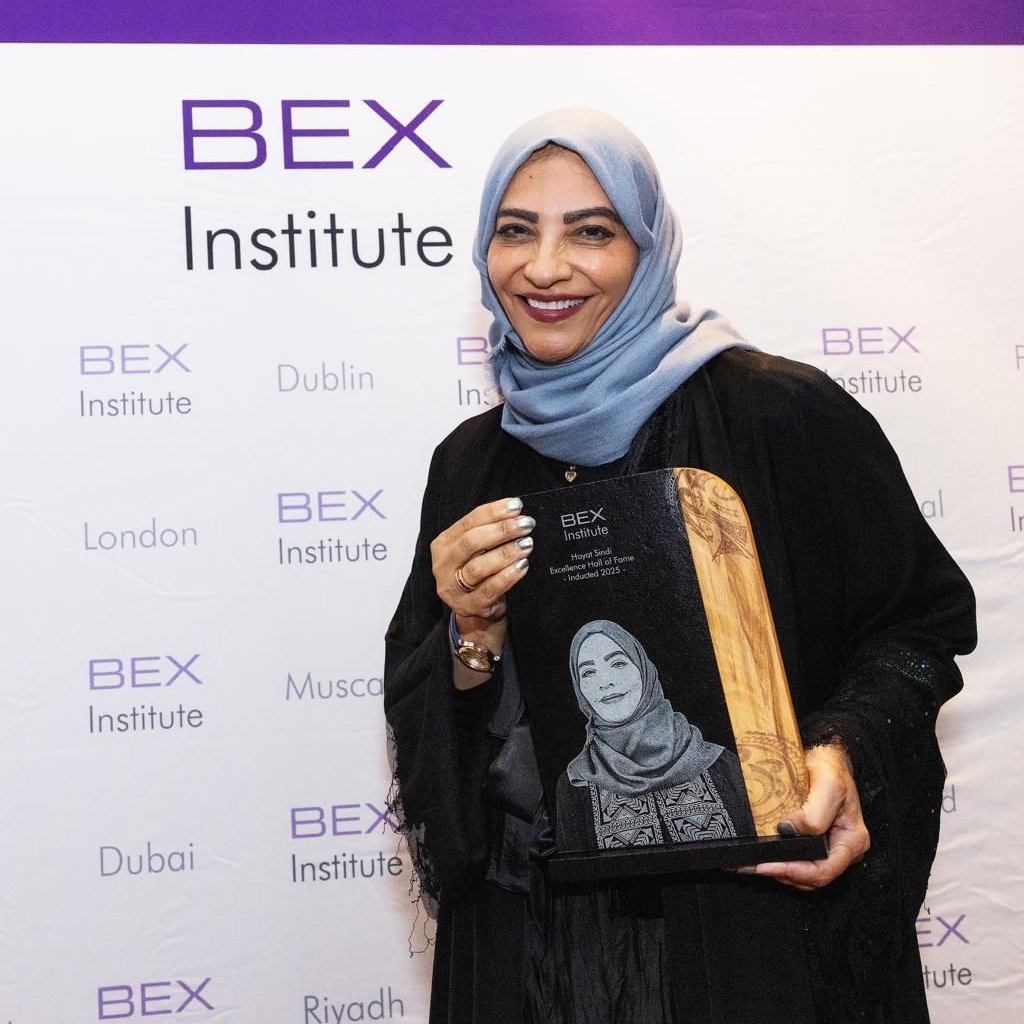
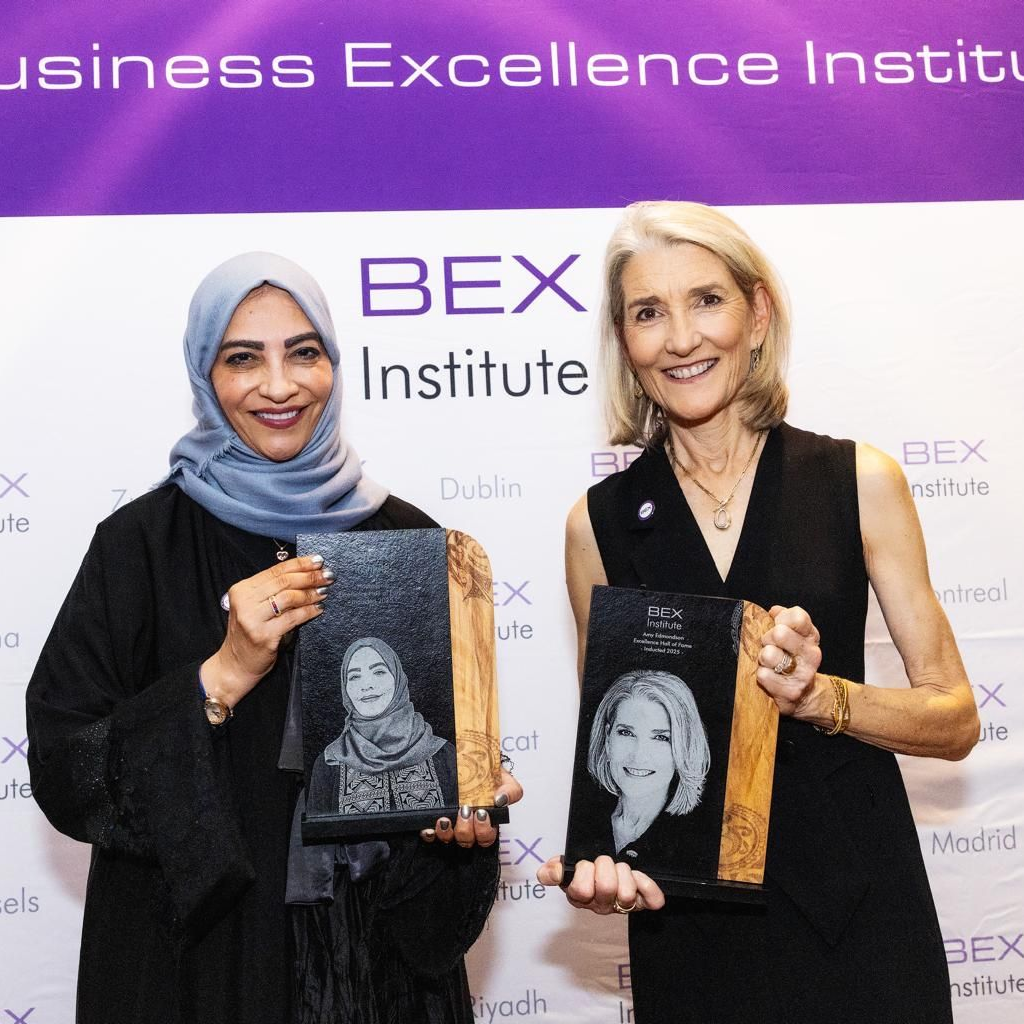
Dr. Hayat Sindi receiving the Hall of Fame Fellowship Award from the Business Excellence Institute at the Excellence Hall of Fame Gala Dinner, alongside Amy Edmondson, 2025.
A Notable Milestone
2008: Diagnostics for All wins major international innovation competitions
One of the most visible moments in Dr. Sindi’s scientific journey came through the development of Diagnostics for All, a non-profit initiative created with scientists and researchers connected to Harvard University and the Massachusetts Institute of Technology. Diagnostics for All focuses on developing simple diagnostic tests made from paper. These tests require only a small drop of blood or urine and can deliver results quickly without complex laboratory equipment.
The project gained international recognition in 2008 when it won the MIT $100K Entrepreneurship Competition, one of the world’s leading university innovation competitions. The idea behind the technology was straightforward but powerful: design diagnostic tools that are inexpensive, portable, and easy to use in remote or underserved regions.
Paper-based diagnostic tests developed through this work can detect health conditions such as liver function abnormalities and other metabolic indicators. Because they are inexpensive and easy to transport, they can be deployed in rural clinics, field hospitals, or public health programs where laboratory infrastructure is limited. The success of Diagnostics for All demonstrated that biotechnology innovation can focus not only on scientific complexity but also on accessibility and real-world impact.
“If anything, I would like to think that I have inspired girls to pursue a career in science if that is what interests them. I advocate thinking outside the box, if one’s situation is tough, in favor of their ambitions”.
A Career Built on Growth and Academic Leadership
Beyond laboratory research, Dr. Sindi has built a career that connects science, education, and public policy. Her leadership roles span international organizations, innovation initiatives, and national advisory platforms. Key milestones in her professional journey include:
- Chief Scientific Officer — Sonoptix Technology, Greater Cambridge Area (2005), leading the development of cost-effective biosensing technologies for clinical diagnostics, including sensor systems designed to support early cancer detection.
- Co-Founder — Diagnostics for All (2007), supporting low-cost diagnostic technologies for underserved populations
- Founder — i2 Institute for Imagination and Ingenuity (2011), an organization promoting innovation and entrepreneurship in science and technology
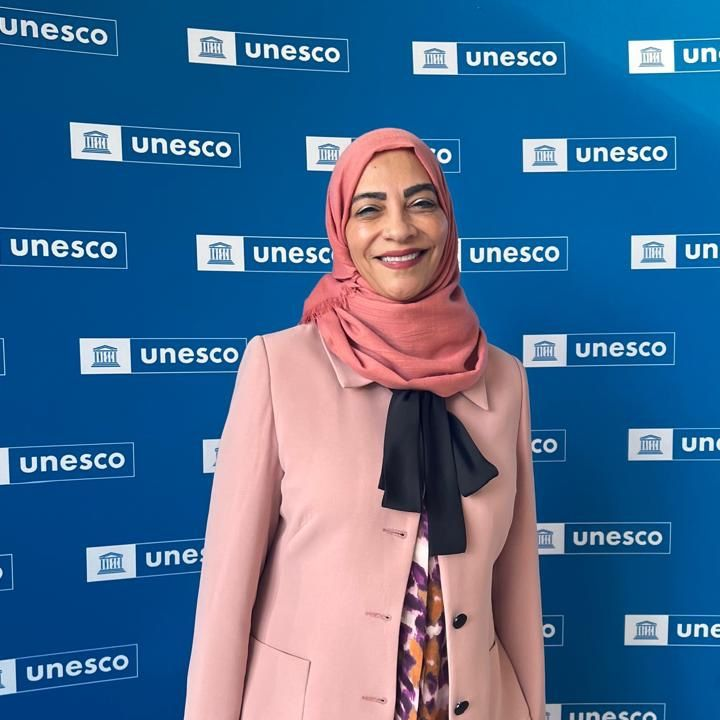
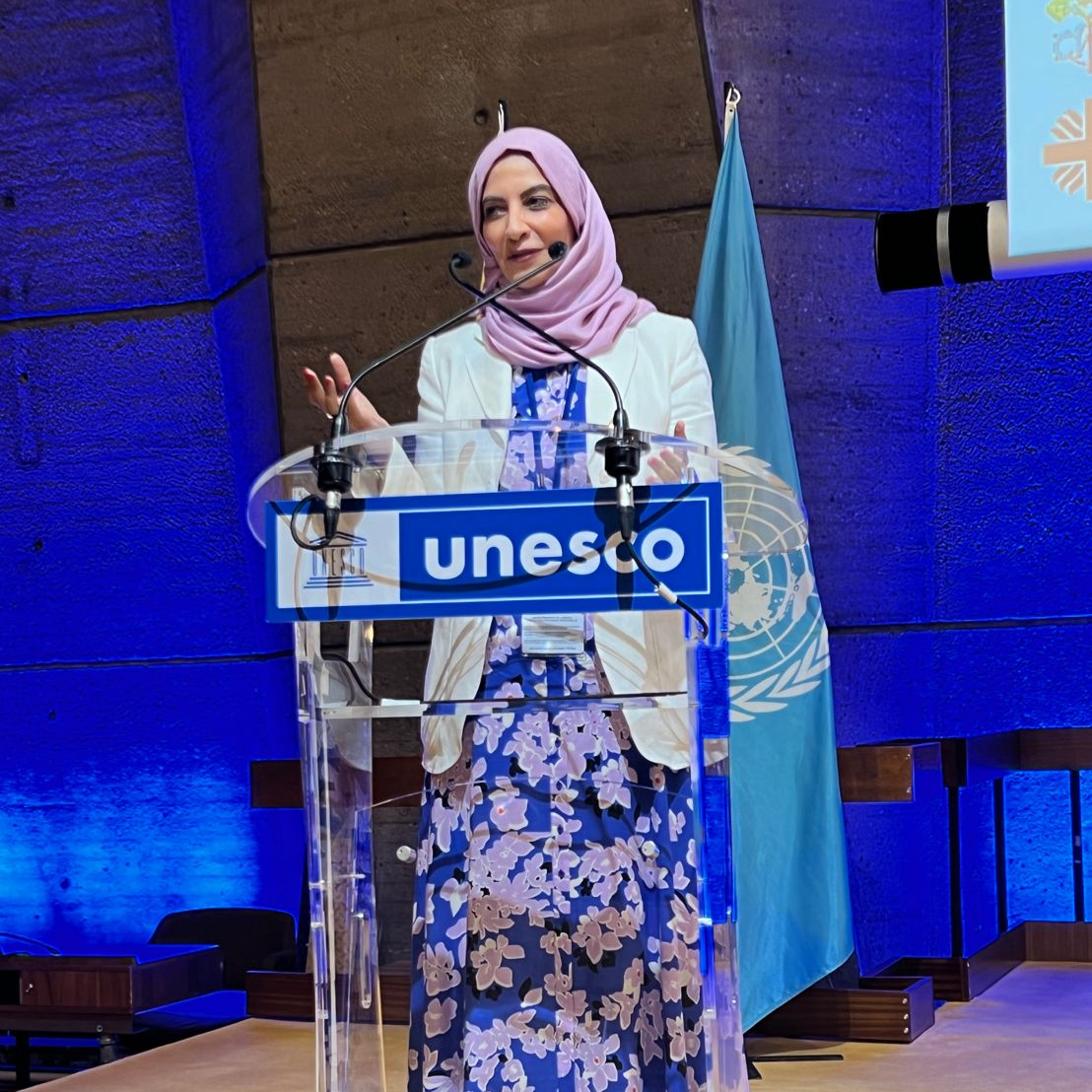
- UNESCO Goodwill Ambassador for Science Education (2012), focusing on science learning and youth engagement
- Member of Saudi Arabia’s Shura Council (2013), among the first group of women appointed
- Advisor on Science, Technology and Innovation — Islamic Development Bank, supporting global development initiatives through research and innovation programs
Through these roles, Dr. Sindi has advocated for the idea that scientific progress requires more than discovery. It also requires education systems that encourage curiosity, institutions that support research, and partnerships that help ideas become real-world solutions. Her work often emphasizes interdisciplinary collaboration, bringing together scientists, engineers, educators, and policymakers to address complex challenges in healthcare and development.
Media & Public Engagement
Dr. Sindi frequently participates in international forums focused on science, education, and innovation. Her public talks often focus on the role of science in solving global challenges and the importance of making innovation inclusive. She has spoken at global conferences and knowledge platforms including TED events and international science forums. Her work and advocacy have also been recognised through global recognition programs.
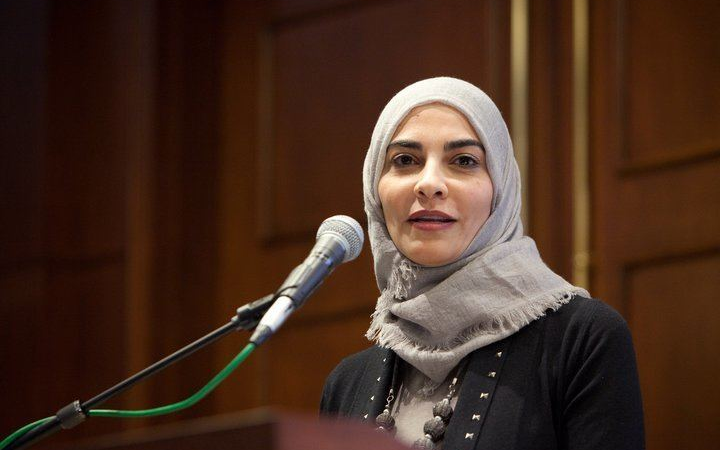
Among these recognitions:
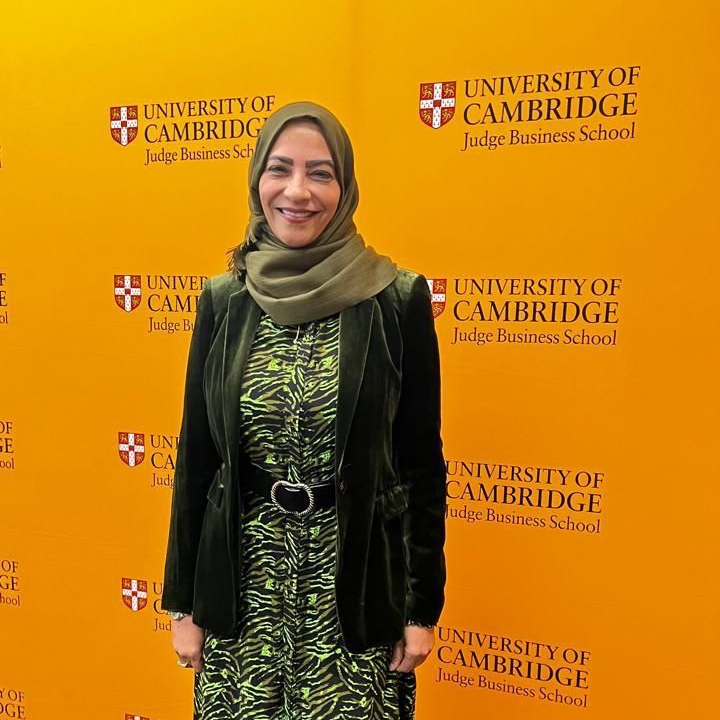
- Fellow — Global Centre for Healthcare Convergence (GCHC), University of Cambridge, contributing to the Health Convergence Initiative at Cambridge Judge Business School
- Named among BBC’s 100 Women, highlighting influential women shaping global conversations
- Included in lists of most influential Arab leaders and innovators
- Recipient of the Clinton Global Citizen Award (2014) for leadership in civil society and innovation
These recognitions reflect both her scientific contributions and her broader role as an advocate for science education and innovation ecosystems.
Looking Ahead
Saudi Arabia is investing heavily in science, research, and biotechnology as part of its long-term development strategy. Within this evolving landscape, Dr. Sindi’s work reflects a model of innovation that connects research with public benefit. Her career highlights an important principle: technology becomes meaningful when it reaches people who need it most. Diagnostics, education, and innovation programs all play a role in building that connection.
By advancing accessible medical technologies and encouraging young scientists to pursue research careers, Dr. Sindi has helped position Saudi Arabia within the global biotechnology conversation. Her journey from a young student fascinated by science to an internationally recognised biotechnologist, demonstrates how education, perseverance, and collaboration can shape meaningful scientific progress. More importantly, it shows how Saudi scientists can contribute not only to national development, but also to global scientific solutions.
To follow Dr. Hayat Sindi’s work, connect on LinkedIn.