


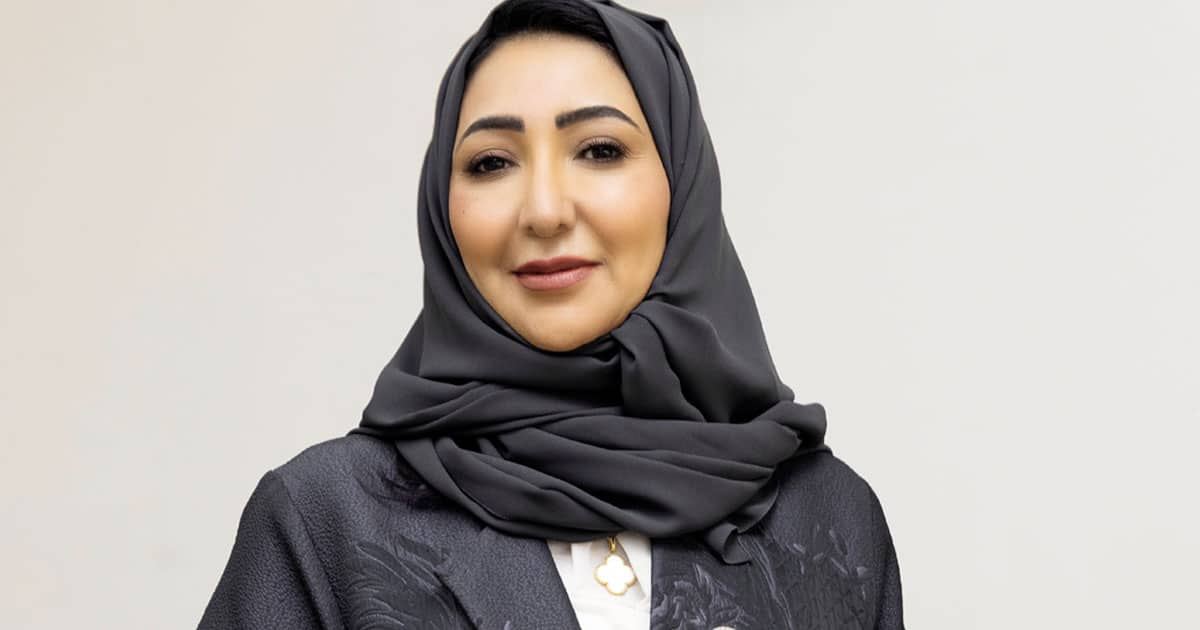
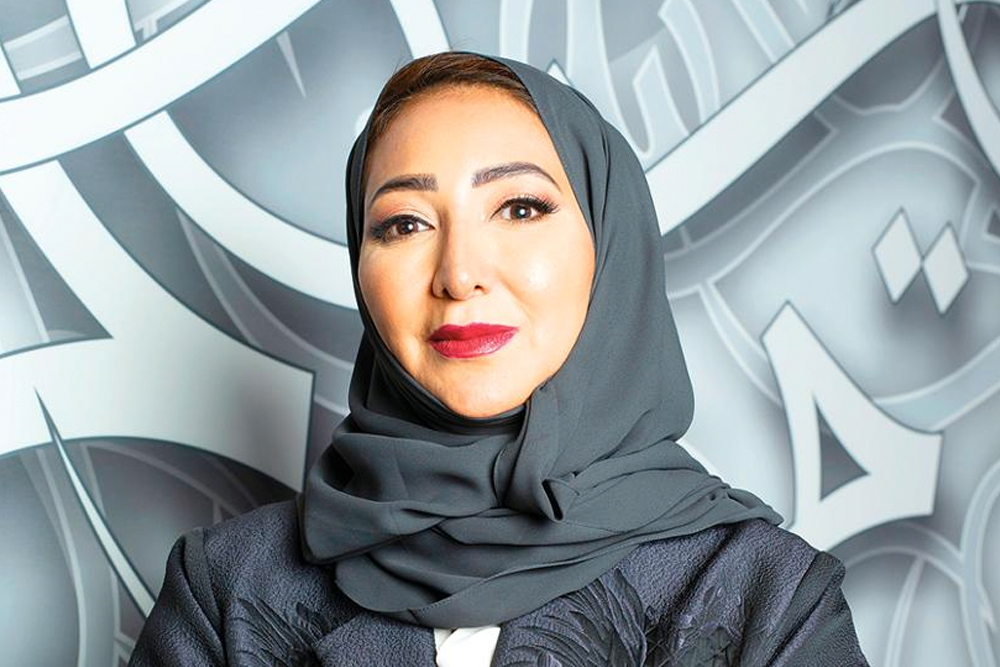
Understanding why some patients are more vulnerable to infections is one of the important challenges in modern medicine. People who have received organ transplants, live with immune disorders, or have conditions such as HIV often need specialized care because their immune systems cannot respond to infections in the usual way. Dr. Maha Ahmed Al-Mozaini has dedicated much of her scientific career to understanding these challenges. A Saudi biomedical scientist specializing in immunology, virology, and infectious disease research, she established the Immunocompromised Host Research programme at King Faisal Specialist Hospital & Research Centre (KFSHRC) in Riyadh.
With more than 28 years of experience, her career has expanded from laboratory research into national health innovation and research strategy. She currently serves as a Senior Consultant at Saudi Arabia's Research, Development and Innovation Authority (RDIA) and holds an adjunct professorship at King Saud University.
Rooted in Knowledge, Sharpened by Experience
Dr. Maha Al-Mozaini's academic journey began at King Saud University, where she earned a bachelor's degree in Applied Medical Laboratory Sciences in 1996, followed by a master's degree in the same field in 2001. She subsequently travelled to the United Kingdom to pursue doctoral training at Imperial College London. Working in Professor Paul Farrell's laboratory within the Division of Virology and Immunology, she developed specialist knowledge in the study of viruses, immune responses, and the biological mechanisms involved in infectious diseases.
She completed her PhD in 2007, with research connected to Imperial College School of Medicine and the Ludwig Institute for Cancer Research. Her international training continued in the United States. Between 2009 and 2012, she held a research fellowship in the Infectious Disease Division of Massachusetts General Hospital, affiliated with Harvard Medical School. She also collaborated with researchers at the Ragon Institute of MGH, MIT and Harvard, expanding her experience in HIV immunology and clinical research.
During this period, she received a postdoctoral research fellowship award from the Dubai Harvard Foundation for Medical Research. She continued her professional development through Harvard Medical School's Global Clinical Scholars Research Training programme in 2013–2014, followed by executive education in healthcare leadership at Harvard Business School in 2016 and 2018. These experiences helped prepare her to combine scientific research with the leadership and development of large-scale healthcare initiatives.
Clinical Research Expertise in Immunology and Infectious Diseases
Dr. Maha Al-Mozaini's work focuses on understanding how infections affect people whose immune systems are weakened or suppressed. Her main research areas include:
- HIV infection and immune system dysfunction.
- Infection risks among organ transplant recipients.
- Immune responses to viral diseases, including COVID-19.
- Inflammatory and autoimmune conditions.
- Identification of biomarkers for disease monitoring.
- Development of infectious disease research and diagnostic technologies.
Her work combines laboratory-based immunology with translational research, which aims to apply scientific findings to practical challenges in patient diagnosis, prevention, and treatment. A central concern throughout her research has been the relationship between immune function and infection, particularly among patients who need additional medical protection.
Establishing Immunocompromised Host Research at KFSHRC
One of Dr. Maha Al-Mozaini's major contributions was establishing the Immunocompromised Host Research programme within the Department of Infection and Immunity at KFSHRC. The programme focused on patients whose immune systems had been weakened by medical treatment or disease. Her early work included investigating infections among organ transplant recipients. These patients often take immunosuppressive medication to prevent their bodies from rejecting transplanted organs, but the treatment can also make them more vulnerable to infections.
The research subsequently expanded into HIV and immune-related conditions, including lupus and multiple sclerosis. Dr. Al-Mozaini directed the programme from September 2012, later serving as Senior Scientist and Head of Immunocompromised Host Research until October 2023. She established the programme with approximately SAR 10 million in research funding and led multidisciplinary scientific teams working on immune responses, infectious diseases, and personalized medicine. Her research leadership also contributed to the development of three patented technologies, although the individual patents require further verification before they can be described in detail. The programme brought together scientists, technical staff, and clinical researchers to investigate conditions affecting vulnerable patient populations.
Advancing HIV Research and Understanding Immune Dysfunction
Dr. Maha Al-Mozaini has made HIV research an important part of her scientific career. She has described facing challenges in developing HIV research because of limited funding and the stigma associated with the condition in parts of the Gulf region. Despite these difficulties, she worked to establish specialized HIV laboratory research at KFSHRC and strengthen international collaborations.
One notable contribution was a 2011 study published in The Journal of Infectious Diseases, titled Dendritic Cell Dysfunction During Primary HIV-1 Infection. The research examined dendritic cells, which help the immune system recognize infections and activate protective responses. The study identified significant changes in these cells during early HIV infection, including reduced ability to present antigens and regulate immune signalling. The findings contributed to understanding how HIV can disrupt the immune system during the early stages of infection.
Her research also examined HIV care in Saudi Arabia. In 2014, she co-authored HIV-Care Outcome in Saudi Arabia: A Longitudinal Cohort, which investigated clinical care and outcomes among people living with HIV. In 2021, she contributed to research examining HIV and co-infections in Saudi Arabia, addressing the importance of prevention, clinical management, and awareness. This was followed in 2023 by Human Immunodeficiency Virus in Saudi Arabia: Current and Future Challenges, a review assessing the country's progress and continuing needs in HIV care.
Beyond laboratory research, Dr. Al-Mozaini has supported efforts to reduce HIV-related stigma, particularly among women, and advocated for stronger support networks for people living with the condition. From September 2015 to September 2016, she also served as a temporary adviser to the National AIDS Programme within the World Health Organization's Eastern Mediterranean Regional Office.
Researching COVID-19 Risks in Organ Transplant Patients
Dr. Maha Al-Mozaini's research has also addressed how COVID-19 affects patients receiving immune-suppressing treatment following organ transplantation. In June 2026, she co-authored a study published in Frontiers in Immunology titled Predictive Biomarkers of COVID-19 Impact in Renal Transplant Patients: An Exploratory Proteomic and Cytokine Analysis. The research examined blood samples from kidney transplant patients with and without COVID-19, comparing immune responses and protein patterns.
Researchers identified changes in inflammatory signalling and 18 protein targets of interest, including eight associated with COVID-19 in the transplant patient group. The findings offered preliminary evidence that certain biological markers could help researchers better understand infection severity and identify possible approaches to risk assessment. However, the study had a limited sample size, and its findings require validation in larger patient groups before clinical application. The publication demonstrates Dr. Al-Mozaini's continued involvement in research addressing infectious disease risks among medically vulnerable patients.
Building Research Partnerships and Medical Innovation
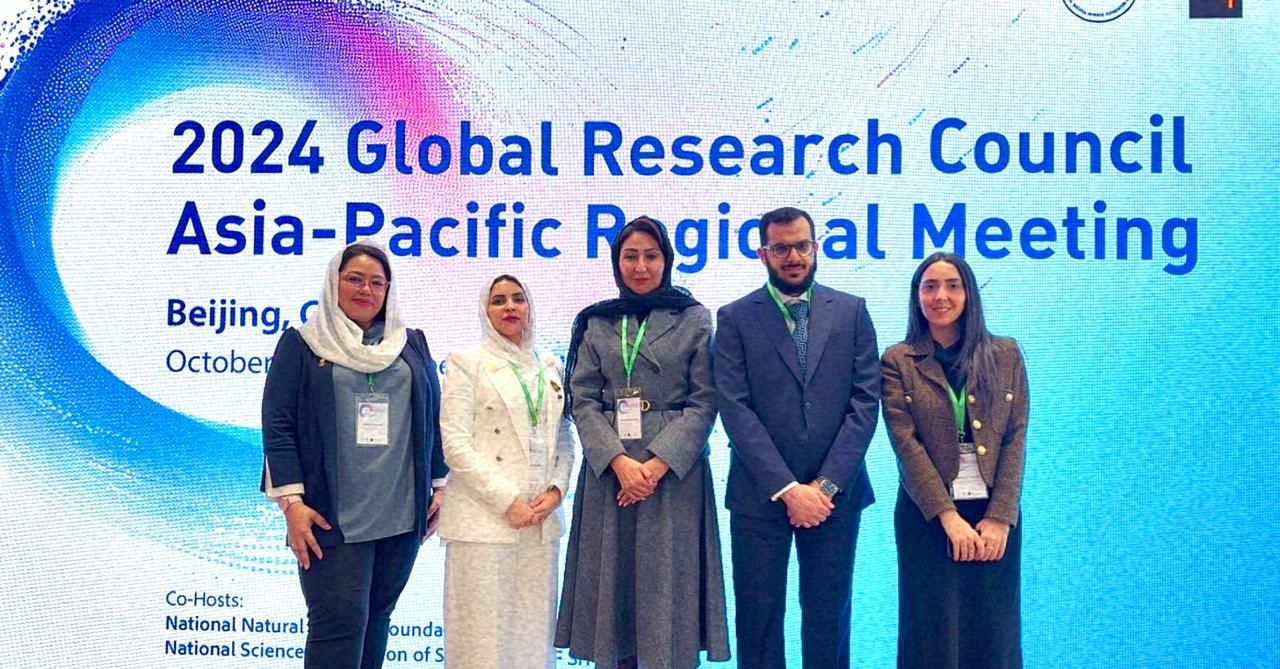
Alongside her scientific investigations, Dr. Maha Al-Mozaini has helped develop research infrastructure and international partnerships. Between January 2022 and June 2023, she headed the Research Center Partnership Strategy Office at KFSHRC, where she worked to strengthen collaborations between medical institutions, researchers, and international partners. Her initiatives included developing a research laboratory technician training programme to address the need for qualified technical professionals, establishing clinical data-sharing infrastructure using REDCap, and supporting a joint Harvard–KFSHRC immunology course.
She also helped organize an HIV preceptorship programme in collaboration with Gilead Sciences, bringing together medical professionals for specialist education. Another initiative involved the development of infectious disease satellite research laboratories intended to improve the Kingdom's capacity to investigate emerging and re-emerging pathogens. These efforts reflect her interest in strengthening the systems that support scientific discoveries, including laboratory capacity, specialized training, and international knowledge exchange.
Contributing to Saudi Arabia's National Research Strategy
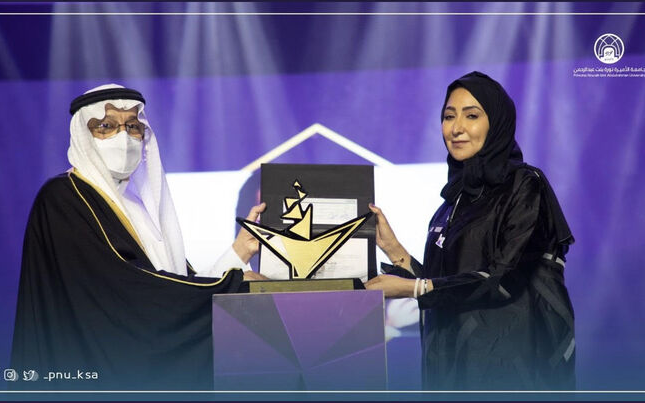
In July 2023, Dr. Al-Mozaini joined the Research, Development and Innovation Authority as a Senior Consultant, marking an expansion of her career into national research policy and innovation leadership. Her responsibilities include research funding strategy, programme development, scientific partnerships, and planning initiatives aligned with Saudi Vision 2030.
Her work addresses the Kingdom's four research and innovation priority areas: Health and Wellness, Sustainability and Essential Needs, Energy, and Economies of the Future. She has contributed to developing research roadmaps, planning national funding programmes for 2024–2030, and supporting the development of Saudi Arabia's biotechnology research and innovation strategy.
Her professional activities also include cooperation with academic institutions, industry partners, and government organizations to strengthen research capacity and improve the translation of scientific discoveries into practical applications. Through this role, she applies her experience in medical research to a wider objective: building an environment where scientific ideas can progress into technologies, treatments, and services that benefit society.
Recognition and Supporting Women in Science
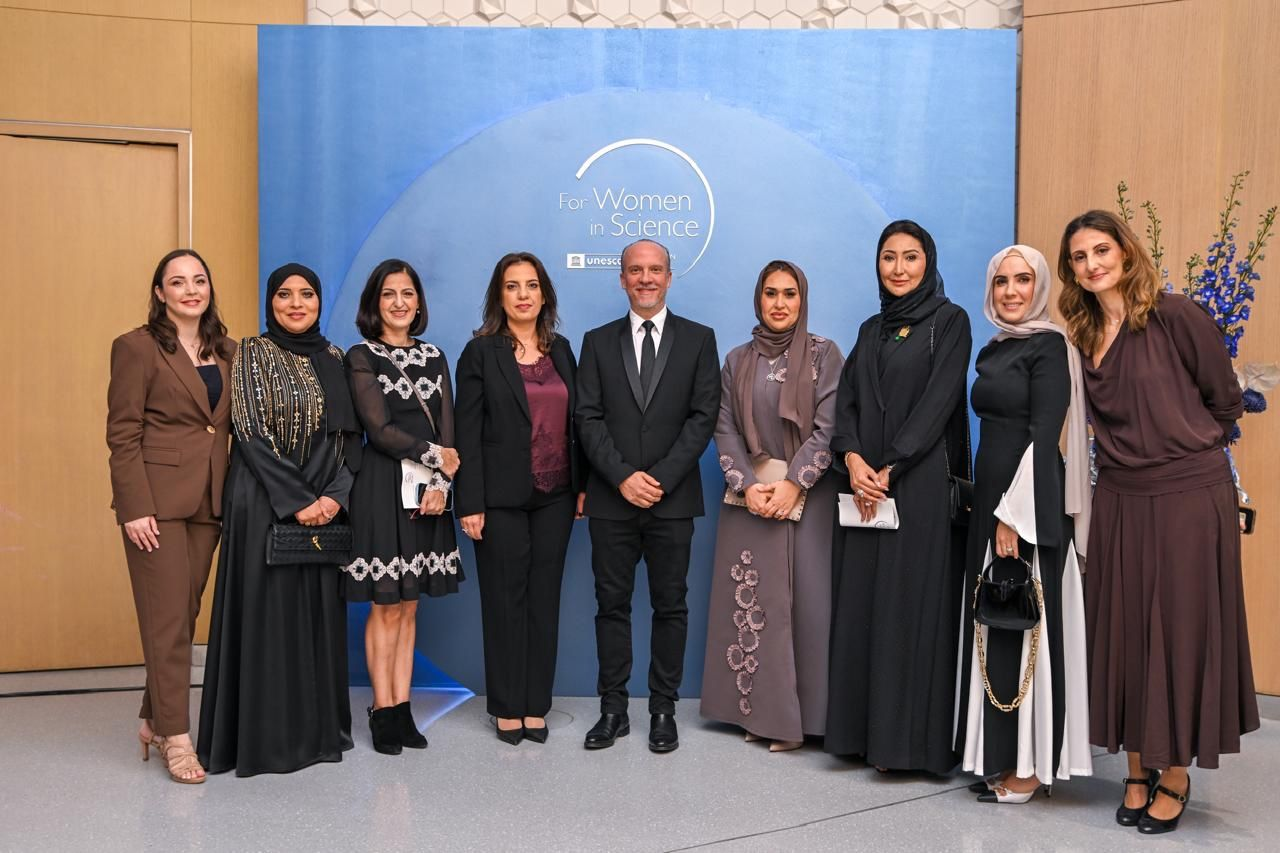
Dr. Maha Al-Mozaini's contributions have received recognition through scientific fellowships and professional programmes. In 2015, she was reported as a recipient of a L'Oréal–UNESCO For Women in Science Middle East Fellowship Grant, recognizing her infectious disease research and contributions as a female scientist. She was also a finalist in the British Council's Study UK Alumni Awards in 2022, which highlighted her international education and subsequent scientific leadership. Her achievements have additionally been associated with recognition from the Arab Women Council and Arab Health, although the precise award titles and dates have not been independently confirmed.
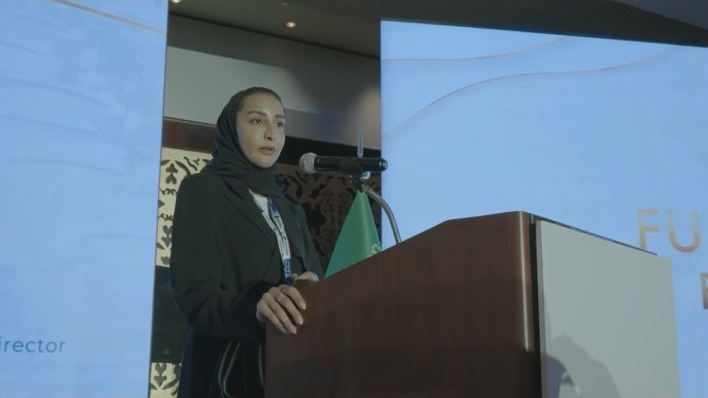
Beyond these honours, Dr. Al-Mozaini has supported women's participation in scientific research. Her efforts have included mentoring younger researchers, encouraging women to pursue STEM careers, and advocating for women affected by HIV-related stigma. Her professional development reflects the importance of international education, scientific collaboration, and opportunities for women to take on leadership responsibilities in healthcare research.
Looking Ahead
Dr. Maha Al-Mozaini's career has developed from investigating the immune system in laboratories to contributing to Saudi Arabia's wider research and innovation strategy. Today, her responsibilities at the Research, Development and Innovation Authority extend this experience into national research planning, scientific partnerships, and biotechnology development.
As Saudi Arabia continues investing in healthcare research, her work demonstrates the importance of connecting scientific expertise with the infrastructure, funding, and professional talent needed to sustain innovation. Her career also highlights the role of mentorship and international collaboration in developing future generations of Saudi researchers.
From her early laboratory training in Riyadh to postgraduate research in London and Boston, Dr. Al-Mozaini has built a career focused on advancing medical knowledge and supporting the scientific systems that turn research into meaningful healthcare progress.
To follow Dr. Maha Al-Mozaini's professional work, visit her LinkedIn profile.
