


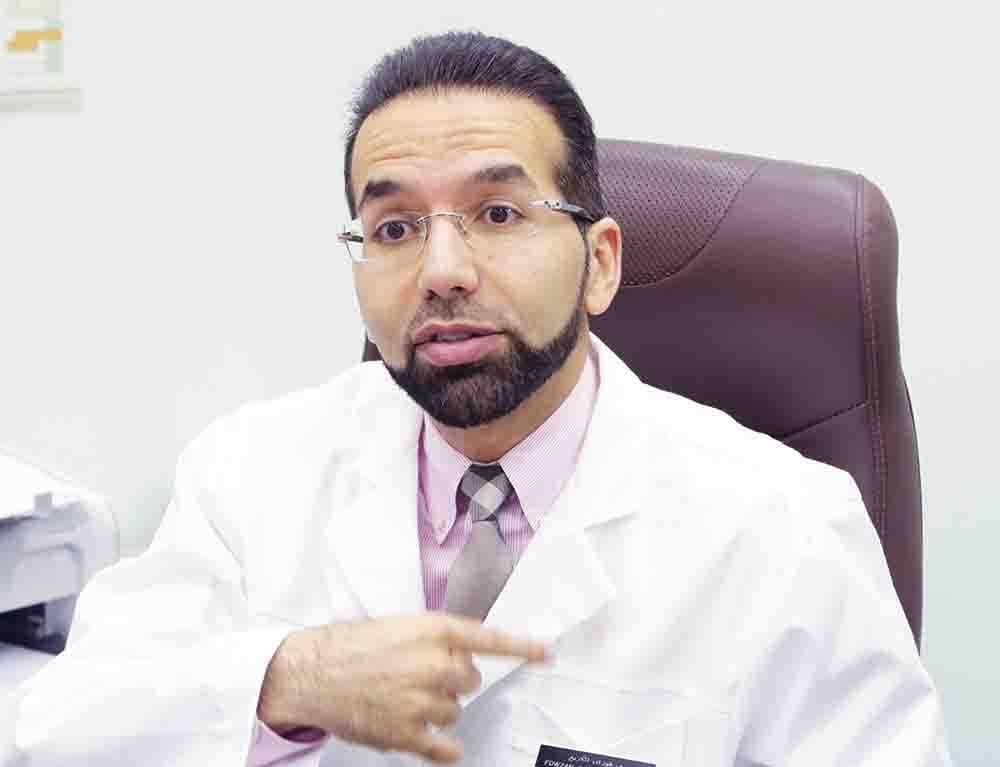
For families affected by rare genetic disorders, finding an accurate diagnosis can take years. Some conditions are so uncommon that their genetic causes remain unknown, leaving patients and their families without clear answers. Professor Dr. Fowzan Sami Alkuraya has dedicated his career to addressing this challenge. A Saudi physician-scientist specializing in human genetics, he has contributed to the discovery of hundreds of genes associated with inherited diseases, helping advance the understanding and diagnosis of rare genetic conditions.
He is Professor of Human Genetics at Alfaisal University in Riyadh and Chief Medical and Genomics Officer at Lifera Omics. He previously led the Department of Translational Genomics at King Faisal Specialist Hospital & Research Centre (KFSHRC), where his research helped establish Saudi Arabia as an important contributor to international genetic medicine. His work has been recognized by leading scientific organizations and featured in publications including The Lancet and Science.
Rooted in Knowledge, Sharpened by Experience
Dr. Fowzan Alkuraya's academic journey began unusually early. He entered medical school at King Saud University before turning 15 and graduated at the top of his class with first-class honours, and graduated in 1998. He subsequently travelled to the United States, where he completed his pediatric residency at Georgetown University Hospital in Washington, D.C.
His interest in inherited diseases led him to further specialist training at Harvard Medical School. Between 2003 and 2007, he completed fellowships in clinical and molecular genetics through Boston Children's Hospital and Harvard-affiliated institutions. He also undertook postdoctoral research in developmental genetics in Professor Richard Maas's laboratory at Brigham and Women's Hospital, part of Harvard Medical School. There, he studied how genetic changes affect human development and contributed to research published in Science. Dr. Alkuraya holds American board certifications in pediatrics, clinical genetics, and clinical molecular genetics. In 2007, he returned to Saudi Arabia, bringing together his experience in pediatric medicine, genetic diagnosis, and laboratory research.
Clinical Expertise in Human and Molecular Genetics
Dr. Fowzan Alkuraya specializes in Mendelian genetics, the study of inherited disorders caused primarily by changes in individual genes. His clinical and research expertise includes:
- Diagnosing rare inherited and developmental disorders.
- Identifying genes associated with previously unexplained diseases.
- Investigating genetic causes of intellectual and physical disabilities.
- Studying how genetic changes affect human development.
- Improving DNA and RNA-based diagnostic technologies.
- Supporting genetic counselling and reproductive risk assessment.
These areas are particularly important for families affected by recessive genetic disorders. Such conditions can occur when a child inherits two altered copies of the same gene, one from each parent, even when both parents are healthy carriers. Identifying the responsible gene can provide families with a clearer diagnosis, improve understanding of the condition, and support informed decisions about future pregnancies.
Establishing Advanced Genomic Research in Saudi Arabia
After returning to Saudi Arabia in 2007, Dr. Alkuraya established the Developmental Genetics Laboratory at KFSHRC. The laboratory grew into a major research programme focused on understanding the genetic causes of rare inherited conditions. It subsequently developed into the Center for Genomic Medicine, bringing together clinical genetics, molecular research, and advanced diagnostic technologies. A central part of his research involves homozygosity mapping, a method that helps scientists identify regions of DNA inherited from a common ancestor. The technique is particularly useful for studying recessive disorders and identifying previously unknown disease genes.
His laboratory also developed the Mendeliome approach, which investigates genes associated with Mendelian disorders and helps make genetic testing more accessible and effective. Through this research, Dr. Alkuraya and his collaborators have identified hundreds of previously unrecognized associations between genes and human disease. His scientific work has also contributed to understanding the consequences of naturally occurring changes that disable both copies of a gene, sometimes described as human gene knockouts. Studying these changes can reveal which genes are essential to normal human development and how they contribute to disease.
His research has been widely discussed in international genetics literature, including a 2022 article in Nature Reviews Genetics examining the importance of homozygosity mapping in recessive diseases.
Discovering the Genetic Causes of Rare Disabilities
Among Dr. Alkuraya's major achievements is his work identifying genes responsible for rare developmental disorders and severe disabilities. His research team at KFSHRC identified the genetic cause of a condition associated with microcephaly, a disorder involving an unusually small head and abnormal brain development. The condition was also associated with severe facial abnormalities, skin changes, and early death.
His team's discoveries have expanded scientific understanding of genetic conditions affecting the brain, skeletal system, and other organs. One notable case, described in Science, involved two related families whose children experienced developmental disabilities. Through genetic testing, Dr. Alkuraya's team identified a mutation in the ADAT3 gene that explained the children's condition.
The affected children had inherited two altered copies of the gene, while their parents carried one copy without experiencing the same disease. For the families, identifying the mutation provided an explanation after years of uncertainty. For researchers, it established an association between ADAT3 and a previously unexplained inherited condition. His work illustrates an important benefit of genetic research: even when a diagnosis does not lead to an immediate cure, it can provide families with information about prognosis, recurrence risk, and available reproductive options.
Developing NanoRanger for Genetic Diagnosis
In 2024, Dr. Fowzan Alkuraya collaborated with researchers from King Abdullah University of Science and Technology (KAUST) on the development of NanoRanger, a genetic sequencing technology designed to identify complex mutations that conventional testing may miss. Many genetic disorders involve structural changes in DNA, including deletions and rearrangements that can be difficult to detect using standard sequencing methods. NanoRanger uses targeted long-read sequencing to examine these complex regions more precisely while reducing sample requirements and testing costs.
During research involving clinical samples from 13 families, the technology identified genetic abnormalities that earlier tests had not detected. The collaboration demonstrated how combining KAUST's technological expertise with KFSHRC's clinical genetics research could improve the investigation of previously unexplained inherited disorders. The researchers also reported potential applications in carrier screening, which helps individuals understand whether they carry genetic changes that could affect their children. As of the 2024 research announcement, the technology was still being developed for broader clinical use.
Using RNA and Artificial Intelligence to Improve Diagnosis
Dr. Fowzan Alkuraya has also worked with KAUST researchers to develop RNA-based diagnostic tools supported by artificial intelligence. While DNA sequencing identifies changes in a person's genetic code, RNA analysis can help researchers understand how those changes affect gene activity. This additional information is particularly useful when DNA testing identifies an uncertain genetic change or fails to establish the cause of a patient's condition.
In a collaboration with Professor Xin Gao's research team at KAUST, Dr. Alkuraya's group provided clinical samples from patients with inherited disorders. Researchers then developed computational methods to identify abnormal RNA patterns and determine whether particular genetic changes were likely to cause disease. The approach helped resolve cases that conventional DNA sequencing had been unable to explain.
One involved a child with neurological abnormalities whose earlier genetic tests had not identified a cause. RNA analysis revealed an inherited mutation associated with the child's condition, providing information that could support genetic counselling and future reproductive planning. The work shows how combining clinical genetics, artificial intelligence, and advanced molecular testing may improve diagnostic accuracy for patients with rare diseases.
A Career Built on Scientific Research and Leadership
Dr. Fowzan Alkuraya's research covers developmental genetics, rare diseases, human gene function, and genomic medicine. He has published more than 560 scientific manuscripts, including studies identifying hundreds of previously unknown disease genes. His work has appeared in major peer-reviewed journals, including The American Journal of Human Genetics, Nature Genetics, Genetics in Medicine, and Science.
In 2017, The Lancet published a profile examining his contributions to the Saudi Human Genome Program, while Science featured his work in rare disease gene discovery. He has also served on editorial boards of international genetics journals, contributed to scientific committees, and regularly participated in medical research conferences. At KFSHRC, he served as a Principal Clinical Scientist and Senior Consultant from 2007 to August 2024. Between March 2021 and August 2024, he chaired the Department of Translational Genomics.
He has held a professorship in Human Genetics at Alfaisal University since 2008, contributing to research and medical education. In August 2024, he became Chief Medical and Genomics Officer at Lifera Omics, while continuing his association with KFSHRC as an Adjunct Principal Scientist. This career progression reflects his growing involvement in translating scientific discoveries into diagnostic technologies and broader healthcare applications.
International Recognition and Scientific Awards
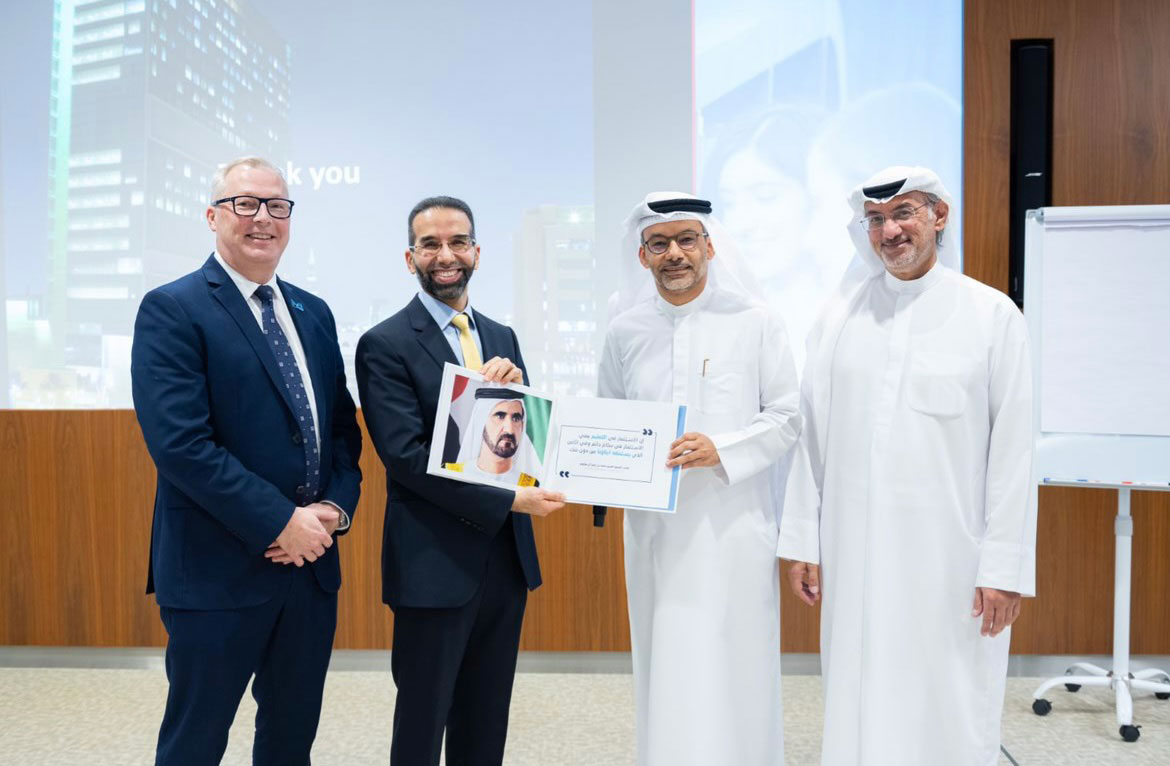
Dr. Alkuraya's contributions to genetics have earned recognition from medical and scientific organizations in Saudi Arabia and internationally. In 2010, he received the William King Bowes Jr. Award in Medical Genetics from the Harvard Center for Personalized Medicine in Boston. He was recognized as the first recipient based outside the United States.
In 2014, he received the King Salman Award for Disability Research in the medical and health sciences category, recognizing his contributions to understanding inherited disabilities. The following year, he received the Abdul Hameed Shoman Award for Arab Researchers in Medical and Health Sciences in Jordan.
In 2019, he was awarded the Distinguished Scientist Award through the Almarai Prize for Scientific Creativity. One of his most notable international distinctions came in 2020, when he received the Curt Stern Award from the American Society of Human Genetics. The award recognizes significant scientific achievements in human genetics over the preceding decade. His research contributed to new understanding of how inherited genetic variations cause disease and how the study of recessive conditions can improve knowledge of the human genome.
Further recognition followed in 2022, when he received the Sheikh Hamdan bin Rashid Al Maktoum Award for Distinguished Medical Personalities from the Arab World. That year, he also received the Kuwait Prize in Basic Medical Sciences, focusing on human genetics, from the Kuwait Foundation for the Advancement of Sciences. KFSHRC additionally recognized him among its researchers included in an international analysis of the world's most-cited scientists. Together, these honours recognize a career that has contributed to genetic discovery, medical education, and the development of genomic research in Saudi Arabia.
Looking Ahead
Dr. Fowzan Alkuraya's career demonstrates how genetic research can connect laboratory discoveries with the needs of patients and families. From establishing the Developmental Genetics Laboratory at KFSHRC to identifying rare disease genes and collaborating on technologies such as NanoRanger and RNA-based diagnostic tools, his work has helped advance the investigation of inherited disorders.
Dr. Alkuraya's contributions have helped strengthen Saudi Arabia's role in this field while demonstrating how research on rare disorders can generate knowledge with applications far beyond individual cases.
To follow Dr. Fowzan Alkuraya's professional work, visit his LinkedIn profile.